


- Afhalen na 1 uur in een winkel met voorraad
- Gratis thuislevering in België vanaf € 30
- Ruim aanbod met 7 miljoen producten
- Afhalen na 1 uur in een winkel met voorraad
- Gratis thuislevering in België vanaf € 30
- Ruim aanbod met 7 miljoen producten





€ 124,45
+ 248 punten
Uitvoering
Eenvoudig bestellen
Veilig betalen


Gratis thuislevering vanaf € 30 (via bpost)
Gratis levering in je Standaard Boekhandel
Omschrijving
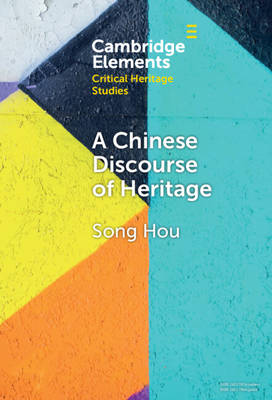
This Element presents an alternative approach to critical heritage studies by attending to forgotten or transformed cultural, historical ideas of heritage. It focuses on the Chinese term guji (古迹 ancient traces or vestiges), perceived today as the same as the modern concept of cultural heritage. After a macroanalysis of how guji is understood differently in contemporary and historical China, it comes to cultural-historical discourse analysis of guji recorded in the local gazetteers of Quzhou from the 1500s to the 1920s, revealing its way of categorization as boundary negotiation, and cultural modes of meaning-making and remembering, either with or without physical remains or a verifiable site. After a holistic view of this Chinese discourse as reflected in a particular guji, it concludes with a philosophical lens to highlight the alternative existence of heritage in the word guji and the uses of heritage as the uses of language.
Specificaties
Betrokkenen
- Auteur(s):
- Uitgeverij:
Inhoud
- Aantal bladzijden:
- 84
- Taal:
- Engels
- Reeks:
Eigenschappen
- Productcode (EAN):
- 9781009495677
- Verschijningsdatum:
- 12/02/2026
- Uitvoering:
- Hardcover
- Formaat:
- Genaaid
- Afmetingen:
- 152 mm x 229 mm
- Gewicht:
- 285 g


Alleen bij Standaard Boekhandel
+ 248 punten op je klantenkaart van Standaard Boekhandel
CADEAU

AANGERADEN


Beoordelingen
We publiceren alleen reviews die voldoen aan de voorwaarden voor reviews. Bekijk onze voorwaarden voor reviews.