


- Afhalen na 1 uur in een winkel met voorraad
- Gratis thuislevering in België vanaf € 30
- Ruim aanbod met 7 miljoen producten
- Afhalen na 1 uur in een winkel met voorraad
- Gratis thuislevering in België vanaf € 30
- Ruim aanbod met 7 miljoen producten





Omschrijving
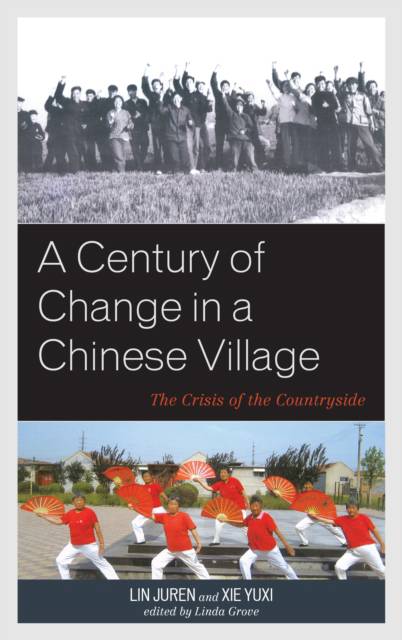
Over the last half century, China has evolved from a poor rural country to a geopolitical powerhouse. Rapid urbanization has been at the heart of that transformation, and as migrant laborers have left their villages, what has become of the rural communities that were once the center of economic, social, and cultural life? And how do contemporary Chinese scholars understand those changes? These are the questions that this compelling book answers. Lengshuigou village, located near the Shandong provincial capital of Jinan, was first studied by Japanese social scientists in the early 1940s and then again in the 1980s and 1990s. Building on these rich surveys, this book traces changes from the early twentieth century to the present day in family and lineage, social stratification, personal networks, annual and life cycle rituals, village politics, and elite formation. Drawing on their own large-scale survey of contemporary village households, the authors analyze the physical and institutional changes that have altered the community, as well as the shifts in interpersonal relations and attitudes that have upended centuries-old systems of patriarchy and generational order. This important book presents, for the first time in English, analysis by Chinese sociologists on the radical transformation of Chinese rural society.
Specificaties
Betrokkenen
- Auteur(s):
- Uitgeverij:
Inhoud
- Aantal bladzijden:
- 318
- Taal:
- Engels
- Reeks:
Eigenschappen
- Productcode (EAN):
- 9781538112359
- Verschijningsdatum:
- 4/05/2018
- Uitvoering:
- Hardcover
- Formaat:
- Genaaid
- Afmetingen:
- 157 mm x 231 mm
- Gewicht:
- 657 g



Alleen bij Standaard Boekhandel
+ 440 punten op je klantenkaart van Standaard Boekhandel
AANGERADEN


Beoordelingen
We publiceren alleen reviews die voldoen aan de voorwaarden voor reviews. Bekijk onze voorwaarden voor reviews.