


- Afhalen na 1 uur in een winkel met voorraad
- Gratis thuislevering in België vanaf € 30
- Ruim aanbod met 7 miljoen producten
- Afhalen na 1 uur in een winkel met voorraad
- Gratis thuislevering in België vanaf € 30
- Ruim aanbod met 7 miljoen producten





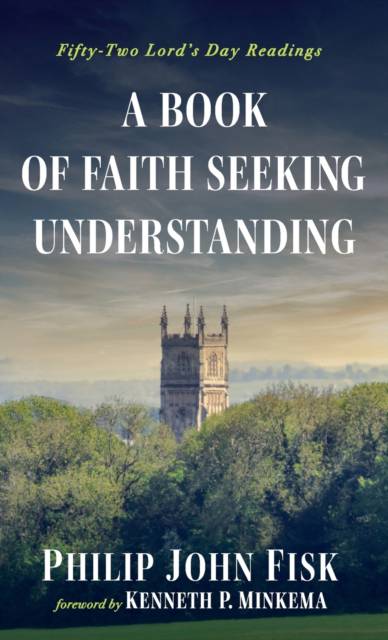
A Book of Faith Seeking Understanding
Fifty-Two Lord's Day Readings
Philip John Fisk
Hardcover | Engels
€ 54,45
+ 108 punten
Uitvoering
Omschrijving
Far too often, the God of the philosophers, those who for the most part had no appointment at a university, are the primary sources relied upon by many authors nowadays in their approach to the problem of evil. These fifty-two Lord's day or Sabbath day readings draw the reader into a dialogue with university professors of the late medieval era and sixteenth and early seventeenth centuries. The theme of these literary renditions of yesteryear's debates and disputations is the perennial quest by theologians to exonerate God from the charge that he is the author of evil. The sophistication and complexity of their scholastic method and solutions to the problem of evil may surprise, but hopefully will persuade, modern day readers to rethink their own conclusion about the problem, and to take up and read university theologians who were formerly unknown, all in the spirit of Anselm's faith seeking understanding.
Specificaties
Betrokkenen
- Auteur(s):
- Uitgeverij:
Inhoud
- Aantal bladzijden:
- 152
- Taal:
- Engels
Eigenschappen
- Productcode (EAN):
- 9781666724387
- Verschijningsdatum:
- 23/11/2021
- Uitvoering:
- Hardcover
- Formaat:
- Genaaid
- Afmetingen:
- 140 mm x 216 mm
- Gewicht:
- 322 g


Alleen bij Standaard Boekhandel
+ 108 punten op je klantenkaart van Standaard Boekhandel
Cadeau

AANGERADEN


Beoordelingen
We publiceren alleen reviews die voldoen aan de voorwaarden voor reviews. Bekijk onze voorwaarden voor reviews.