


- Afhalen na 1 uur in een winkel met voorraad
- Gratis thuislevering in België vanaf € 30
- Ruim aanbod met 7 miljoen producten
- Afhalen na 1 uur in een winkel met voorraad
- Gratis thuislevering in België vanaf € 30
- Ruim aanbod met 7 miljoen producten





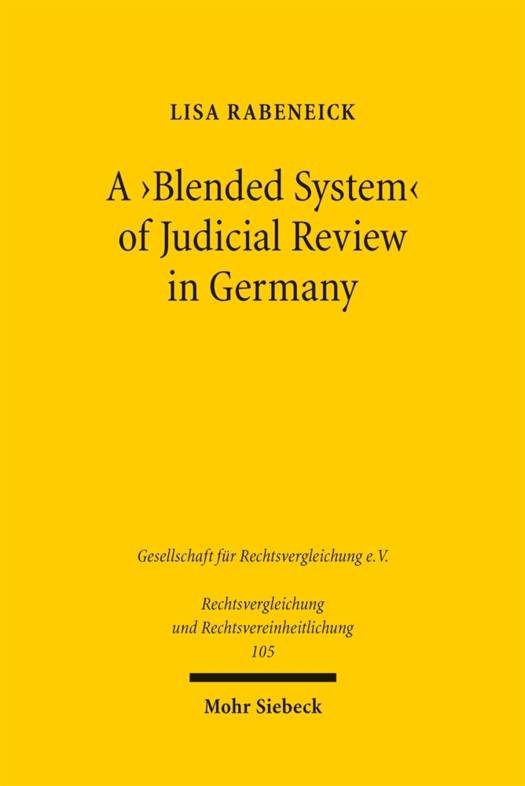
A 'Blended System' of Judicial Review in Germany
The Use of Weak-Form Methods Within a Strong-Form Review System
Lisa Rabeneick
€ 114,95
+ 229 punten
Omschrijving
Weak-form judicial review suggests that empowering courts to exercise rights-based judicial review does not necessarily mean that courts can assert their understanding of guaranteed rights or, where they do - as in Germany - that they always should. Instead, they could be constitutionally required to defer, at times, to another state organ's reasonable rights interpretation. Lisa Rabeneick examines this particular aspect of the broader question of how the German Federal Constitutional Court should exercise its powers of strong-form rights-based judicial review in relation to the Federal Parliament. Specifically, she proposes creating a 'blended system' of reviewing legislation under the Basic Law; to be achieved by the court implementing weak-form review in instances in which it should refrain from asserting its rights understanding in relation to the legislature.
Specificaties
Betrokkenen
- Auteur(s):
- Uitgeverij:
Inhoud
- Aantal bladzijden:
- 383
- Taal:
- Engels
- Reeks:
Eigenschappen
- Productcode (EAN):
- 9783161646652
- Verschijningsdatum:
- 27/08/2025
- Uitvoering:
- Hardcover
- Formaat:
- Genaaid
- Afmetingen:
- 113 mm x 181 mm
- Gewicht:
- 684 g


Alleen bij Standaard Boekhandel
+ 229 punten op je klantenkaart van Standaard Boekhandel
Cadeau

AANGERADEN


Beoordelingen
We publiceren alleen reviews die voldoen aan de voorwaarden voor reviews. Bekijk onze voorwaarden voor reviews.