


- Afhalen na 1 uur in een winkel met voorraad
- Gratis thuislevering in België vanaf € 30
- Ruim aanbod met 7 miljoen producten
- Afhalen na 1 uur in een winkel met voorraad
- Gratis thuislevering in België vanaf € 30
- Ruim aanbod met 7 miljoen producten





€ 53,95
+ 107 punten
Eenvoudig bestellen
Veilig betalen


Gratis thuislevering vanaf € 30 (via bpost)
Gratis levering in je Standaard Boekhandel
Omschrijving
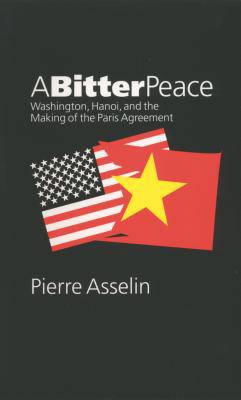
Demonstrating the centrality of diplomacy in the Vietnam War, Pierre Asselin traces the secret negotiations that led up to the Paris Agreement of 1973, which ended America's involvement but failed to bring peace in Vietnam. Because the two sides signed the agreement under duress, he argues, the peace it promised was doomed to unravel.
By January of 1973, the continuing military stalemate and mounting difficulties on the domestic front forced both Washington and Hanoi to conclude that signing a vague and largely unworkable peace agreement was the most expedient way to achieve their most pressing objectives. For Washington, those objectives included the release of American prisoners, military withdrawal without formal capitulation, and preservation of American credibility in the Cold War. Hanoi, on the other hand, sought to secure the removal of American forces, protect the socialist revolution in the North, and improve the prospects for reunification with the South. Using newly available archival sources from Vietnam, the United States, and Canada, Asselin reconstructs the secret negotiations, highlighting the creative roles of Hanoi, the National Liberation Front, and Saigon in constructing the final settlement.
By January of 1973, the continuing military stalemate and mounting difficulties on the domestic front forced both Washington and Hanoi to conclude that signing a vague and largely unworkable peace agreement was the most expedient way to achieve their most pressing objectives. For Washington, those objectives included the release of American prisoners, military withdrawal without formal capitulation, and preservation of American credibility in the Cold War. Hanoi, on the other hand, sought to secure the removal of American forces, protect the socialist revolution in the North, and improve the prospects for reunification with the South. Using newly available archival sources from Vietnam, the United States, and Canada, Asselin reconstructs the secret negotiations, highlighting the creative roles of Hanoi, the National Liberation Front, and Saigon in constructing the final settlement.
Specificaties
Betrokkenen
- Auteur(s):
- Uitgeverij:
Inhoud
- Aantal bladzijden:
- 296
- Taal:
- Engels
- Reeks:
Eigenschappen
- Productcode (EAN):
- 9780807854174
- Verschijningsdatum:
- 25/11/2002
- Uitvoering:
- Paperback
- Formaat:
- Trade paperback (VS)
- Afmetingen:
- 174 mm x 223 mm
- Gewicht:
- 426 g


Alleen bij Standaard Boekhandel
+ 107 punten op je klantenkaart van Standaard Boekhandel
CADEAU

AANGERADEN


Beoordelingen
We publiceren alleen reviews die voldoen aan de voorwaarden voor reviews. Bekijk onze voorwaarden voor reviews.