


- Afhalen na 1 uur in een winkel met voorraad
- Gratis thuislevering in België vanaf € 30
- Ruim aanbod met 7 miljoen producten
- Afhalen na 1 uur in een winkel met voorraad
- Gratis thuislevering in België vanaf € 30
- Ruim aanbod met 7 miljoen producten





€ 14,53
+ 14 punten
Omschrijving
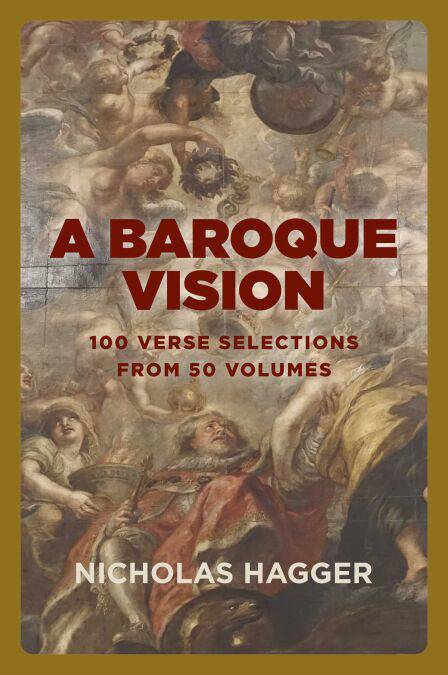
Between 1979 and 1982 Nicholas Hagger wrote three letters to the eminent literary critic Christopher Ricks about his poetic identity, and Ricks agreed with his final view that his verse blends the Romantic and Classical traditions within the Baroque tradition. In 1979 and again in 1982 Ricks asked him to select 30 poems. Forty years later A Baroque Vision presents a selection that shows his Baroque roots. Part One presents 30 poems written before 1979, and Part Two adds 70 verse selections written between 1979 and 2019. A Baroque Vision presents 100 verse selections drawn from 50 volumes of his poems, verse plays and masques. The Baroque style, which can be found in all European countries, combines the spiritual and the sensual, and features movement, transformation, the Mystic Way, the mysterious Light, the transcending of death, the divine soul and Heaven, as illustrated in Rubens' The Apotheosis of James I (shown on the front cover); and blends the Romantic and Classical traditions. In his Preface Hagger shows very clearly that his Baroque vision was behind, and grew into, his Universalism, his philosophy and worldview of the unity of the universe whose development can be traced in his Selected Letters and Collected Prefaces, and in the companion volume to this work The Essentials of Universalism (all published by O-Books). These 100 verse selections confirm that his Baroque vision is inspired by the 17th century (by the Metaphysical poets, Milton and Dryden), but also by the 18th and 19th centuries (by Pope, Wordsworth and Tennyson).
Specificaties
Betrokkenen
- Auteur(s):
- Uitgeverij:
Inhoud
- Aantal bladzijden:
- 456
- Taal:
- Engels
Eigenschappen
- Productcode (EAN):
- 9781789045864
- Verschijningsdatum:
- 26/09/2024
- Uitvoering:
- E-book
- Beveiligd met:
- Adobe DRM
- Formaat:
- ePub


Alleen bij Standaard Boekhandel
+ 14 punten op je klantenkaart van Standaard Boekhandel
Cadeau

AANGERADEN


Beoordelingen
We publiceren alleen reviews die voldoen aan de voorwaarden voor reviews. Bekijk onze voorwaarden voor reviews.