


- Afhalen na 1 uur in een winkel met voorraad
- Gratis thuislevering in België vanaf € 30
- Ruim aanbod met 7 miljoen producten
- Afhalen na 1 uur in een winkel met voorraad
- Gratis thuislevering in België vanaf € 30
- Ruim aanbod met 7 miljoen producten





Omschrijving
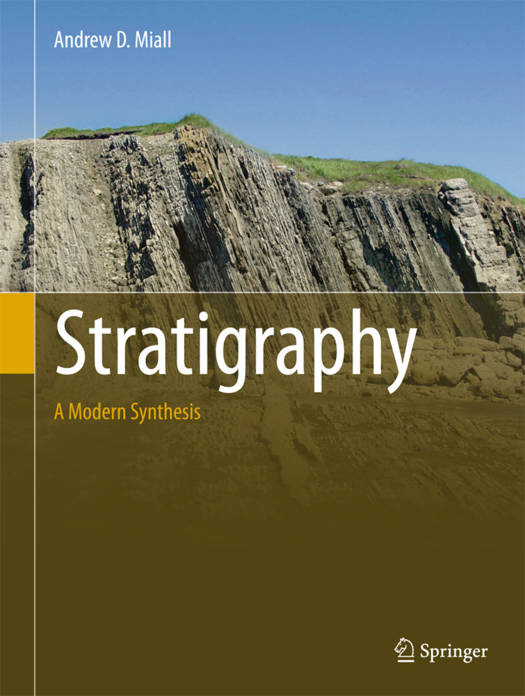
A Comprehensive review of modern stratigraphic methods. The stratigraphic record is the major repository of information about the geological history of Earth, a record stretching back for nearly 4 billion years. Stratigraphic studies fill out our planet's plate-tectonic history with the details of paleogeography, past climates, and the record of evolution, and stratigraphy is at the heart of the effort to find and exploit fossil fuel resources. Modern stratigraphic methods are now able to provide insights into past geological events and processes on time scales with unprecedented accuracy and precision, and have added much to our understanding of global tectonic and climatic processes. It has taken 200 years and a modern revolution to bring all the necessary developments together to create the modern, dynamic science that this book sets out to describe. Stratigraphy now consists of a suite of integrated concepts and methods, several of which have considerable predictive and interpretive power. The new, integrated, dynamic science that Stratigraphy has become is now inseparable from what were its component parts, including sedimentology, chronostratigraphy, and the broader aspects of basin analysis.
Specificaties
Betrokkenen
- Auteur(s):
- Uitgeverij:
Inhoud
- Aantal bladzijden:
- 454
- Taal:
- Engels
Eigenschappen
- Productcode (EAN):
- 9783319243023
- Verschijningsdatum:
- 10/12/2015
- Nieuwere uitgave:
- Uitvoering:
- Hardcover
- Formaat:
- Genaaid
- Afmetingen:
- 212 mm x 287 mm
- Gewicht:
- 1283 g


Alleen bij Standaard Boekhandel
+ 189 punten op je klantenkaart van Standaard Boekhandel
Cadeau

AANGERADEN


Beoordelingen
We publiceren alleen reviews die voldoen aan de voorwaarden voor reviews. Bekijk onze voorwaarden voor reviews.