


- Afhalen na 1 uur in een winkel met voorraad
- Gratis thuislevering in België vanaf € 30
- Ruim aanbod met 7 miljoen producten
- Afhalen na 1 uur in een winkel met voorraad
- Gratis thuislevering in België vanaf € 30
- Ruim aanbod met 7 miljoen producten





€ 22,45
+ 44 punten
Omschrijving
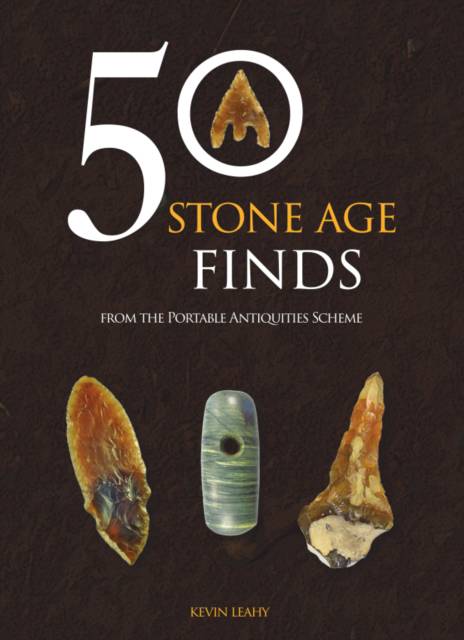
Flint and stone finds hold a unique place in the archaeological record, as they are often all that survives from much of the human past. The Stone Age did not end with the introduction of metal, and some of the finest lithic objects date from the Bronze Age. The use of flint and stone has even continued into more recent times.
These objects can possess a striking, almost gem-like quality. Flint hand axes more than 500,000 years old, recorded by the Portable Antiquities Scheme, display a symmetry and elegance that still resonates today. Their creation required remarkable skill and effort, and this book explores how flint and stone objects were made.
Worked flints are far more common than many people realize and can be found almost everywhere. This guide explains what to look for and how to recognize humanly worked flint, illustrating both commonly encountered pieces and exceptional examples recorded by the Portable Antiquities Scheme.
Flint and stone tools are best understood in context. Through clear explanations and carefully chosen images, the book highlights the cultures that produced these objects and traces how we came to discover and interpret them.
Specificaties
Betrokkenen
- Auteur(s):
- Uitgeverij:
Inhoud
- Aantal bladzijden:
- 96
- Taal:
- Engels
- Reeks:
Eigenschappen
- Productcode (EAN):
- 9781398126213
- Verschijningsdatum:
- 30/06/2026
- Uitvoering:
- Paperback
- Formaat:
- Trade paperback (VS)
- Afmetingen:
- 1651 mm x 864 mm
- Gewicht:
- 308 g


Alleen bij Standaard Boekhandel
+ 44 punten op je klantenkaart van Standaard Boekhandel
Cadeau

AANGERADEN


Beoordelingen
We publiceren alleen reviews die voldoen aan de voorwaarden voor reviews. Bekijk onze voorwaarden voor reviews.