


- Afhalen na 1 uur in een winkel met voorraad
- Gratis thuislevering in België vanaf € 30
- Ruim aanbod met 7 miljoen producten
- Afhalen na 1 uur in een winkel met voorraad
- Gratis thuislevering in België vanaf € 30
- Ruim aanbod met 7 miljoen producten





€ 23,95
+ 47 punten
Omschrijving
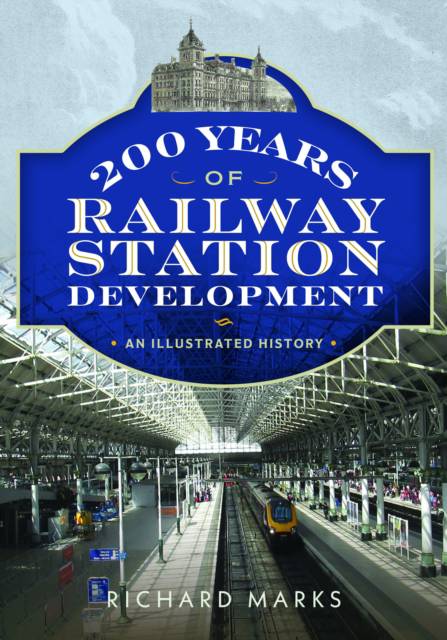
Britain's railway stations emerged from humble pubs to monumental hubs, shaping time, communities, and the push of progress.
The railway station first appeared in Britain when the new railway companies began to carry passengers as well as the freight for which they had originally been built. From humble beginnings behind the bar in the local pub, to state of the art travel hubs, Britain's railway stations have become a key part of society, even impacting how time is measured.
As Britain's railway network grew, so did it's stations. Competing companies arrived in the same town and built magnificent structures to attract passengers to their lines over those of their competitors. Architectural styles were as varied as the companies who commissioned them, although all were built to provide a feeling of permanence and dynamism to the local communities they served.
In this new introduction to the history of Britain's railway stations, industrial and railway historian Dr Richard Marks examines why railway stations were built where and how they were. The impact of railway politics, rail heading and competition is clearly explained, to provide a new perspective on the railway station. Perhaps more than just a travel hub, the railway station was also place of sorrowful separations, and joyful reunions, new opportunity or departure to war something which is examined throughout the new book.
The evolution of railway stations, be they magnificent city centre statements or humble branch line or light railway facilities, is a fascinating and complex subject to which this new volume aims to provide a readable introduction.
The railway station first appeared in Britain when the new railway companies began to carry passengers as well as the freight for which they had originally been built. From humble beginnings behind the bar in the local pub, to state of the art travel hubs, Britain's railway stations have become a key part of society, even impacting how time is measured.
As Britain's railway network grew, so did it's stations. Competing companies arrived in the same town and built magnificent structures to attract passengers to their lines over those of their competitors. Architectural styles were as varied as the companies who commissioned them, although all were built to provide a feeling of permanence and dynamism to the local communities they served.
In this new introduction to the history of Britain's railway stations, industrial and railway historian Dr Richard Marks examines why railway stations were built where and how they were. The impact of railway politics, rail heading and competition is clearly explained, to provide a new perspective on the railway station. Perhaps more than just a travel hub, the railway station was also place of sorrowful separations, and joyful reunions, new opportunity or departure to war something which is examined throughout the new book.
The evolution of railway stations, be they magnificent city centre statements or humble branch line or light railway facilities, is a fascinating and complex subject to which this new volume aims to provide a readable introduction.
Specificaties
Betrokkenen
- Auteur(s):
- Uitgeverij:
Inhoud
- Aantal bladzijden:
- 144
- Taal:
- Engels
Eigenschappen
- Productcode (EAN):
- 9781036136659
- Verschijningsdatum:
- 30/05/2026
- Uitvoering:
- Paperback
- Formaat:
- Trade paperback (VS)
- Afmetingen:
- 171 mm x 248 mm
- Gewicht:
- 435 g


Alleen bij Standaard Boekhandel
+ 47 punten op je klantenkaart van Standaard Boekhandel
Cadeau

AANGERADEN


Beoordelingen
We publiceren alleen reviews die voldoen aan de voorwaarden voor reviews. Bekijk onze voorwaarden voor reviews.