


- Afhalen na 1 uur in een winkel met voorraad
- Gratis thuislevering in België vanaf € 30
- Ruim aanbod met 7 miljoen producten
- Afhalen na 1 uur in een winkel met voorraad
- Gratis thuislevering in België vanaf € 30
- Ruim aanbod met 7 miljoen producten





€ 11,17
+ 11 punten
Uitvoering
Omschrijving
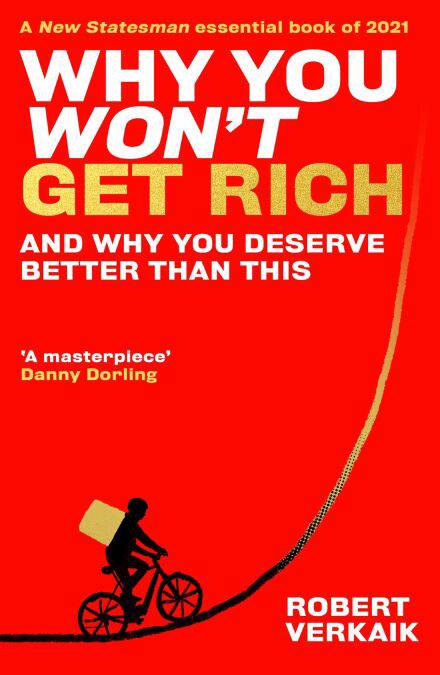
From the bottom to the top of our economy, capitalism is too blunt an instrument to tackle Britain's epidemic of inequality.
Soaring rents, unfair taxation and a growing gig economy have brought about unprecedented economic shame: Amazon warehouse workers living in tents, nurses turning to foodbanks, London firemen commuting hundreds of miles to work.
Even those higher up the ladder are losing their grip on the life they were promised. Barristers take home less than the minimum wage and doctors are starting out with £100,000 student debts on salaries lower than the national average. We’re all facing a new economic phenomenon – in-work poverty. At the same time a generation of young professionals is coming to terms with never being able to own even the cheapest home in their area.
From the bottom to the top of our economy, capitalism is too blunt an instrument to tackle Britain's epidemic of inequality.
Soaring rents, unfair taxation and a growing gig economy have brought about unprecedented economic shame: Amazon warehouse workers living in tents, nurses turning to foodbanks, London firemen commuting hundreds of miles to work.
Even those higher up the ladder are losing their grip on the life they were promised. Barristers take home less than the minimum wage and doctors are starting out with £100,000 student debts on salaries lower than the national average. We’re all facing a new economic phenomenon – in-work poverty. At the same time a generation of young professionals is coming to terms with never being able to own even the cheapest home in their area.
Hard work no longer pays off. But there is hope for a better, fairer future.
Soaring rents, unfair taxation and a growing gig economy have brought about unprecedented economic shame: Amazon warehouse workers living in tents, nurses turning to foodbanks, London firemen commuting hundreds of miles to work.
Even those higher up the ladder are losing their grip on the life they were promised. Barristers take home less than the minimum wage and doctors are starting out with £100,000 student debts on salaries lower than the national average. We’re all facing a new economic phenomenon – in-work poverty. At the same time a generation of young professionals is coming to terms with never being able to own even the cheapest home in their area.
From the bottom to the top of our economy, capitalism is too blunt an instrument to tackle Britain's epidemic of inequality.
Soaring rents, unfair taxation and a growing gig economy have brought about unprecedented economic shame: Amazon warehouse workers living in tents, nurses turning to foodbanks, London firemen commuting hundreds of miles to work.
Even those higher up the ladder are losing their grip on the life they were promised. Barristers take home less than the minimum wage and doctors are starting out with £100,000 student debts on salaries lower than the national average. We’re all facing a new economic phenomenon – in-work poverty. At the same time a generation of young professionals is coming to terms with never being able to own even the cheapest home in their area.
Hard work no longer pays off. But there is hope for a better, fairer future.
Specificaties
Betrokkenen
- Auteur(s):
- Uitgeverij:
Inhoud
- Aantal bladzijden:
- 320
- Taal:
- Engels
Eigenschappen
- Productcode (EAN):
- 9781786078087
- Verschijningsdatum:
- 8/02/2021
- Uitvoering:
- E-book
- Beveiligd met:
- Adobe DRM
- Formaat:
- ePub



Alleen bij Standaard Boekhandel
+ 11 punten op je klantenkaart van Standaard Boekhandel
CADEAU


Beoordelingen
We publiceren alleen reviews die voldoen aan de voorwaarden voor reviews. Bekijk onze voorwaarden voor reviews.