


- Afhalen na 1 uur in een winkel met voorraad
- Gratis thuislevering in België vanaf € 30
- Ruim aanbod met 7 miljoen producten
- Afhalen na 1 uur in een winkel met voorraad
- Gratis thuislevering in België vanaf € 30
- Ruim aanbod met 7 miljoen producten





€ 18,45
+ 36 punten
Omschrijving
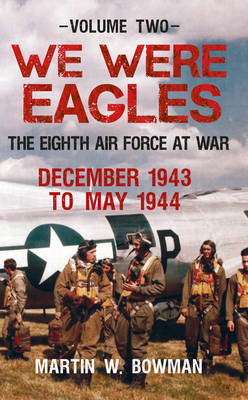
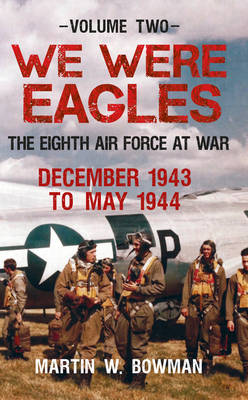
The Americans' second year of the war saw the Eighth Air Force finally bombing Berlin, or 'Big-B' as it was known. The arrival in the theatre of an ever-increasing number of escort fighters, such as the P-47 Thunderbolt and P-51 Mustang, meant that the close-knit formations of bombers could roam further afield without the punitive losses suffered a year earlier. 'Little Friends' rode to the rescue of their 'Big Friends' but 'tail-end Charlies' could be cut down almost unnoticed and 'unlucky' groups such as the 'Bloody Hundredth' and the 445th Bomb Group B-24 Liberators who roamed too far suffered grievously. An Allied victory was never in doubt and the air offensive hastened its end but German aircraft production never faltered despite the assault on the war industries. City bombing failed to break German spirit, enemy oil still flowed and jet planes would offer the enemy hope, and the bomber boys pain. In this second volume, Martin W. Bowman tells the story of the Eighth Air Force's campaign over Germany and Occupied Europe in the words of the men who flew the missions.
Specificaties
Betrokkenen
- Auteur(s):
- Uitgeverij:
Inhoud
- Aantal bladzijden:
- 256
- Taal:
- Engels
- Reeks:
- Reeksnummer:
- nr. 2
Eigenschappen
- Productcode (EAN):
- 9781445659084
- Verschijningsdatum:
- 15/07/2016
- Uitvoering:
- Paperback
- Formaat:
- Trade paperback (VS)
- Afmetingen:
- 124 mm x 196 mm
- Gewicht:
- 226 g


Alleen bij Standaard Boekhandel
+ 36 punten op je klantenkaart van Standaard Boekhandel
Cadeau

AANGERADEN


Beoordelingen
We publiceren alleen reviews die voldoen aan de voorwaarden voor reviews. Bekijk onze voorwaarden voor reviews.