


- Afhalen na 1 uur in een winkel met voorraad
- Gratis thuislevering in België vanaf € 30
- Ruim aanbod met 7 miljoen producten
- Afhalen na 1 uur in een winkel met voorraad
- Gratis thuislevering in België vanaf € 30
- Ruim aanbod met 7 miljoen producten





Omschrijving
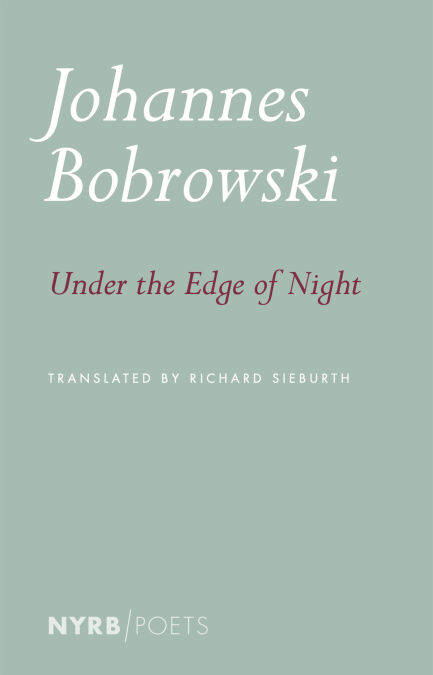
Odes and elegies set in Prussia, Lithuania, and on the killing fields of the Eastern Front during World War II. These are war wounds in poetic form, bringing buried history and oppression powerfully into the light.
Often compared to the poetry of Paul Celan and Nelly Sachs, the postwar verse of Johannes Bobrowski is set in the Prussian-Lithuanian landscapes of Bobrowski's childhood and in the killing fields he witnessed as a young German soldier on the eastern front in WWII. Bobrowski described his poems as his “war wounds,” and in these odes and elegies of the mid-fifties and early sixties one can see and hear his belated healing process at work: to bring what has lain buried and forgotten back to the surface, in the hope that Germany's historic oppression of eastern peoples, be they Jewish or Slavic or Roma, might finally be honestly addressed.
In this new dual-language and freshly annotated translation, the idiosyncratic rhythms and imagistic urgencies of Bobrowski’s verse again come to life in Sieburth’s marvelous translation.
Often compared to the poetry of Paul Celan and Nelly Sachs, the postwar verse of Johannes Bobrowski is set in the Prussian-Lithuanian landscapes of Bobrowski's childhood and in the killing fields he witnessed as a young German soldier on the eastern front in WWII. Bobrowski described his poems as his “war wounds,” and in these odes and elegies of the mid-fifties and early sixties one can see and hear his belated healing process at work: to bring what has lain buried and forgotten back to the surface, in the hope that Germany's historic oppression of eastern peoples, be they Jewish or Slavic or Roma, might finally be honestly addressed.
In this new dual-language and freshly annotated translation, the idiosyncratic rhythms and imagistic urgencies of Bobrowski’s verse again come to life in Sieburth’s marvelous translation.
Specificaties
Betrokkenen
- Auteur(s):
- Vertaler(s):
- Uitgeverij:
Inhoud
- Aantal bladzijden:
- 256
- Taal:
- Engels
Eigenschappen
- Productcode (EAN):
- 9798896230984
- Verschijningsdatum:
- 14/09/2026
- Uitvoering:
- E-book
- Beveiligd met:
- Adobe DRM
- Formaat:
- ePub


Alleen bij Standaard Boekhandel
+ 22 punten op je klantenkaart van Standaard Boekhandel
Cadeau

AANGERADEN


Beoordelingen
We publiceren alleen reviews die voldoen aan de voorwaarden voor reviews. Bekijk onze voorwaarden voor reviews.