


- Afhalen na 1 uur in een winkel met voorraad
- Gratis thuislevering in België vanaf € 30
- Ruim aanbod met 7 miljoen producten
- Afhalen na 1 uur in een winkel met voorraad
- Gratis thuislevering in België vanaf € 30
- Ruim aanbod met 7 miljoen producten





€ 111,30
+ 222 punten
Omschrijving
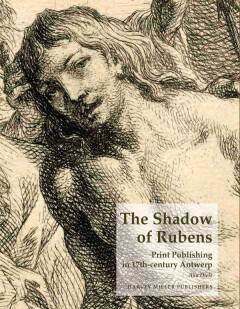
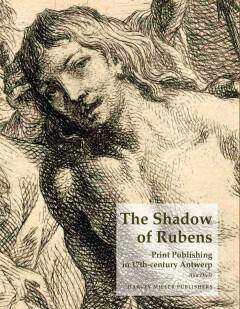
This book presents both an overview of the print production in the 17th century Southern Low Countries and a focused approach to the work of three collaborators of Rubens. Apart from their work as painters, these artists quickly penetrated the world of prints and each dominated a specific market segment. Abraham Van Diepenbeeck was a prolific designer of individual prints and print series. Erasmus Quelinus II often drew models for book-illustrations. Cornelis Schut ran an important workshop which produced many beautiful etchings. The book explores how these artists positioned themselves in an artistic field, operating in a highly competitive field that presented both threats and new opportunities. Their oeuvre is firmly set in a European context, spanning local, regional and international markets. An analysis is made of the relation between prints as reproductions of paintings and prints as autonomous inventions. The book argues that the importance of prints as autonomous creations has been underestimated for the 17th century. The book studies the connections between the three artists and some forty professional engravers who were active in 17th-century Antwerp. Many biographical data on these engravers are presented, and more than 100 prints are published for the first time.
Specificaties
Betrokkenen
- Auteur(s):
- Uitgeverij:
Inhoud
- Aantal bladzijden:
- 271
- Taal:
- Engels
- Reeks:
- Reeksnummer:
- nr. 2
Eigenschappen
- Productcode (EAN):
- 9781905375509
- Verschijningsdatum:
- 24/03/2010
- Uitvoering:
- Hardcover
- Formaat:
- Genaaid
- Afmetingen:
- 231 mm x 310 mm
- Gewicht:
- 1678 g


Alleen bij Standaard Boekhandel
+ 222 punten op je klantenkaart van Standaard Boekhandel
Cadeau

AANGERADEN


Beoordelingen
We publiceren alleen reviews die voldoen aan de voorwaarden voor reviews. Bekijk onze voorwaarden voor reviews.