


- Afhalen na 1 uur in een winkel met voorraad
- Gratis thuislevering in België vanaf € 30
- Ruim aanbod met 7 miljoen producten
- Afhalen na 1 uur in een winkel met voorraad
- Gratis thuislevering in België vanaf € 30
- Ruim aanbod met 7 miljoen producten





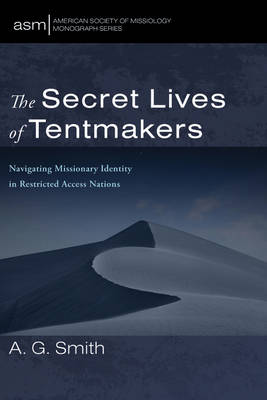
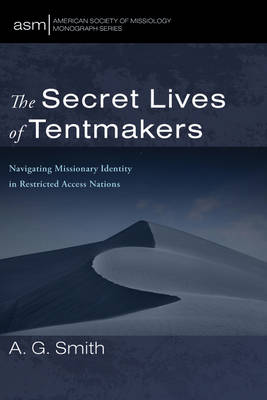
The Secret Lives of Tentmakers
Navigating Missionary Identity in Restricted Access Nations
A G Smith
€ 48,95
+ 97 punten
Uitvoering
Omschrijving
In the Restricted Access Nations (RANs) of the Arabian Peninsula, evangelical missionaries must conceal their core identity and purposes as evangelists and church planters. As "tentmakers," they present a vocational identity on the field instead, leading a life often characterized by secrecy in order to protect themselves, the missionary community, and those they disciple. In an age of ubiquitous surveillance technology and global online connectivity, one slip could mean deportation, imprisonment, or danger in countries where missionary activities are illegal. Security issues and identity concealment sometimes create profound inner turmoil for the missionary, generating identity dissonance, feelings of fraudulence, and agonizing ethical struggles over truth-telling and concealment.
Drawing on ethnographic interviews with tentmakers in the Arabian Peninsula, The Secret Lives of Tentmakers describes the daily practices of managing multiple role identities in a high-security environment, and how juggling these various identities impacts the missionary's sense of self. This book explores the complex tensions between vocational excellence and missionary calling, uncovers the theological and cultural coping strategies tentmakers use to resist moral crisis, and reveals the crucial factors missionaries need for achieving identity consonance and integration across all the dimensions of their lives.
Drawing on ethnographic interviews with tentmakers in the Arabian Peninsula, The Secret Lives of Tentmakers describes the daily practices of managing multiple role identities in a high-security environment, and how juggling these various identities impacts the missionary's sense of self. This book explores the complex tensions between vocational excellence and missionary calling, uncovers the theological and cultural coping strategies tentmakers use to resist moral crisis, and reveals the crucial factors missionaries need for achieving identity consonance and integration across all the dimensions of their lives.
Specificaties
Betrokkenen
- Auteur(s):
- Uitgeverij:
Inhoud
- Aantal bladzijden:
- 270
- Taal:
- Engels
- Reeks:
- Reeksnummer:
- nr. 78
Eigenschappen
- Productcode (EAN):
- 9798385257201
- Verschijningsdatum:
- 21/04/2026
- Uitvoering:
- Paperback
- Formaat:
- Trade paperback (VS)
- Afmetingen:
- 152 mm x 229 mm
- Gewicht:
- 367 g


Alleen bij Standaard Boekhandel
+ 97 punten op je klantenkaart van Standaard Boekhandel
Cadeau

AANGERADEN


Beoordelingen
We publiceren alleen reviews die voldoen aan de voorwaarden voor reviews. Bekijk onze voorwaarden voor reviews.