


- Afhalen na 1 uur in een winkel met voorraad
- Gratis thuislevering in België vanaf € 30
- Ruim aanbod met 7 miljoen producten
- Afhalen na 1 uur in een winkel met voorraad
- Gratis thuislevering in België vanaf € 30
- Ruim aanbod met 7 miljoen producten





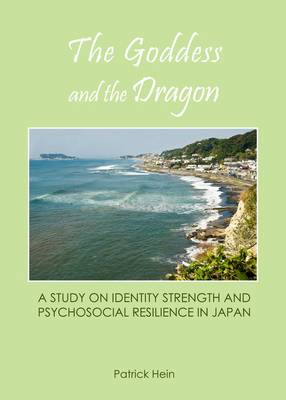
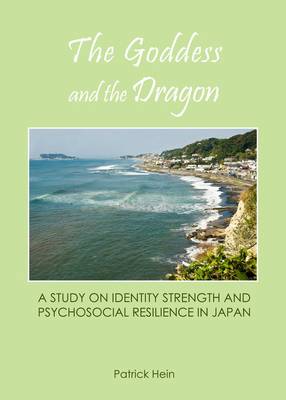
The Goddess and the Dragon
A Study on Identity Strength and Psychosocial Resilience in Japan
Patrick Hein
Hardcover | Engels
€ 55,43
+ 110 punten
Omschrijving
Neoliberal globalization affects the livelihoods and socio-economic conditions of people all over the world. This is also true for Japan where increased foreign trade and foreign investments have dramatically changed the internal landscape of the country during recent decades. There are many social groups for whom globalization has brought positive changes. International Japanese companies and their employees, for example, have benefited from the commercial expansion and rise in trade exchanges. How then does globalization influence the subjective experiences and worldviews of ordinary Japanese at the periphery? How are local residents outside the centers of affluence affected by the global forces of mass consumerism and cultural diversity? The local fisheries community of Katase-Enoshima is very close to the megacities of Tokyo and Yokohama and is visited by almost ten million visitors a year. This field research study examines how local residents have coped with the risks and opportunities of modern mass tourism, both historically and in modern times. This book contributes to a better understanding of the dynamics of social transformation processes. The findings suggest that mass tourism is a double-edged sword: on one side, residents try to attract consumer tourists in large numbers because they depend economically on them; on the other side, they maintain strong and exclusive community bonds and self-assert their cultural identity of pure 'Japaneseness' through festivals, religious zeal and myths. In other words, they benefit indirectly from globalization but they do not want to be part of it.
Specificaties
Betrokkenen
- Auteur(s):
- Uitgeverij:
Inhoud
- Aantal bladzijden:
- 115
- Taal:
- Engels
Eigenschappen
- Productcode (EAN):
- 9781443865210
- Verschijningsdatum:
- 15/10/2014
- Uitvoering:
- Hardcover
- Formaat:
- Genaaid
- Afmetingen:
- 150 mm x 206 mm
- Gewicht:
- 340 g


Alleen bij Standaard Boekhandel
+ 110 punten op je klantenkaart van Standaard Boekhandel
Cadeau

AANGERADEN


Beoordelingen
We publiceren alleen reviews die voldoen aan de voorwaarden voor reviews. Bekijk onze voorwaarden voor reviews.