


- Afhalen na 1 uur in een winkel met voorraad
- Gratis thuislevering in België vanaf € 30
- Ruim aanbod met 7 miljoen producten
- Afhalen na 1 uur in een winkel met voorraad
- Gratis thuislevering in België vanaf € 30
- Ruim aanbod met 7 miljoen producten





Omschrijving
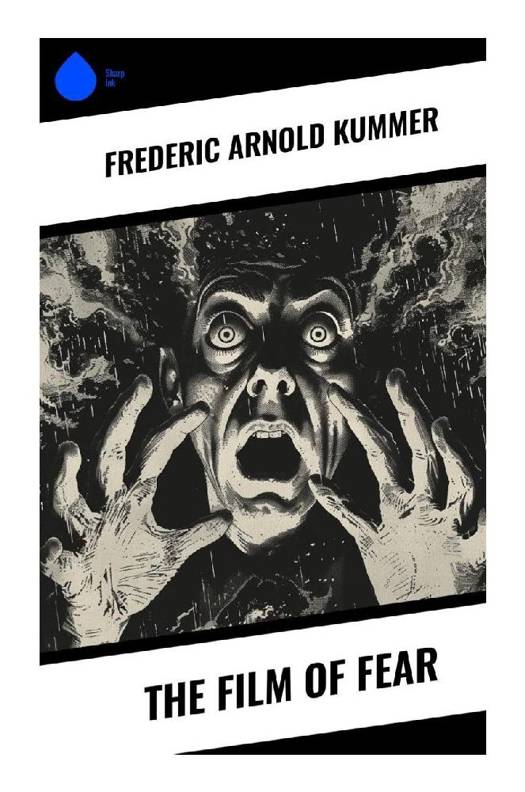
In "The Film of Fear," Frederic Arnold Kummer crafts a gripping narrative that masterfully intertwines the realms of psychological suspense and the nascent film industry of the early 20th century. The novel is set against the backdrop of Hollywood's golden age, employing a vivid, cinematic style that mirrors the very art form it explores. Kummer's prose is laced with tension and intrigue, deftly capturing the anxieties and moral dilemmas of his characters, while also offering critical commentary on the intersection of art and fear in storytelling. This work not only reflects the era's fascination with the macabre but also serves as an early exploration of how film shapes public perception and personal paranoia. Kummer, an accomplished author and playwright, drew on his background in the theatrical arts to infuse "The Film of Fear" with an acute understanding of human psychology and the complexities of aspiration. His experiences in New York's theatrical circles and his subsequent migration to Hollywood positioned him uniquely to explore themes of ambition, fear, and the surreal impact of cinema on society and personal identity. Kummer's insights into the industry allow him to navigate the anxieties surrounding artistic creation during a time of rapid societal change. This book is highly recommended for those who appreciate tales steeped in suspense and psychological depth, and for readers captivated by the evolution of film as an art form. Kummer's engaging narrative style not only entertains but also fosters a critical reflection on the emotions that drive both filmmakers and their audiences. "The Film of Fear" is an essential read for anyone interested in the intricate tapestry of early 20th-century cinema and its profound societal implications.
Specificaties
Betrokkenen
- Auteur(s):
- Uitgeverij:
Inhoud
- Aantal bladzijden:
- 112
- Taal:
- Engels
Eigenschappen
- Productcode (EAN):
- 9788028358846
- Uitvoering:
- Paperback
- Afmetingen:
- 152 mm x 229 mm
- Gewicht:
- 176 g



Alleen bij Standaard Boekhandel
+ 19 punten op je klantenkaart van Standaard Boekhandel
CADEAU


Beoordelingen
We publiceren alleen reviews die voldoen aan de voorwaarden voor reviews. Bekijk onze voorwaarden voor reviews.