


- Afhalen na 1 uur in een winkel met voorraad
- Gratis thuislevering in België vanaf € 30
- Ruim aanbod met 7 miljoen producten
- Afhalen na 1 uur in een winkel met voorraad
- Gratis thuislevering in België vanaf € 30
- Ruim aanbod met 7 miljoen producten





€ 59,95
+ 119 punten
Omschrijving
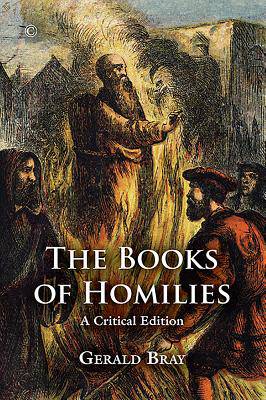
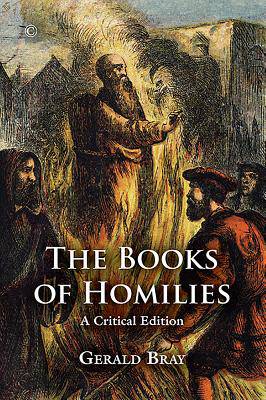
The two Books of Homilies, along with the Book of Common Prayer and the Ordinal, have long been basic documents of the Church of England, and are valuable in showing how Anglican doctrine shifted during the Reformation, as well as being of considerable historical importance.The first book, published in 1547, early in the reign of Edward VI, was partly, though not entirely, the work of Archbishop Thomas Cranmer, and the inspiration appears to have been his. This was intended to raise the standards of preaching by offering model ser mons covering particular doctrinal and pastoral themes, either to be read (particularly by unlicensed clergy) or to provide preachers with additional material for their own sermons.The success of the venture led Bishop EdmundBonner, who had contributed to Cranmer's book, to produce his own Book of Homilies in 1555, during the reign of Queen Mary. The Second Book of Homilies, published in 1563 (and in a revised form in 1571) appears in turn to have been influenced by both Cranmer's and Bonner's books.The present edition brings together all three books, edited and introduced by Revd Dr Gerald Bray.
Specificaties
Betrokkenen
- Auteur(s):
- Uitgeverij:
Inhoud
- Aantal bladzijden:
- 600
- Taal:
- Engels
Eigenschappen
- Productcode (EAN):
- 9780227176238
- Verschijningsdatum:
- 14/04/2017
- Uitvoering:
- Paperback
- Formaat:
- Trade paperback (VS)
- Afmetingen:
- 155 mm x 231 mm
- Gewicht:
- 884 g


Alleen bij Standaard Boekhandel
+ 119 punten op je klantenkaart van Standaard Boekhandel
Cadeau

AANGERADEN


Beoordelingen
We publiceren alleen reviews die voldoen aan de voorwaarden voor reviews. Bekijk onze voorwaarden voor reviews.