


- Afhalen na 1 uur in een winkel met voorraad
- Gratis thuislevering in België vanaf € 30
- Ruim aanbod met 7 miljoen producten
- Afhalen na 1 uur in een winkel met voorraad
- Gratis thuislevering in België vanaf € 30
- Ruim aanbod met 7 miljoen producten





Omschrijving
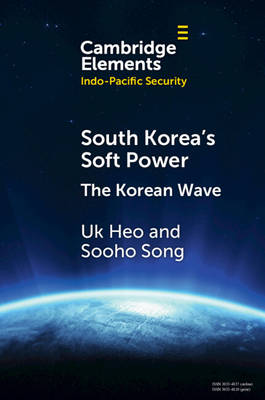
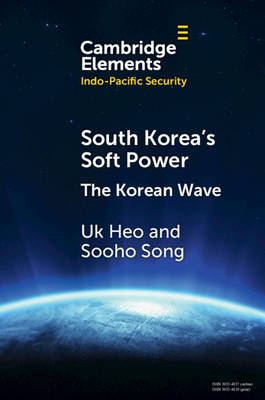
Since Korean cultural products and entertainers have gained global popularity - the so-called Korean Wave - many studies have regarded the Korean Wave as Korea's soft power. However, the concept of soft power remains contested in the political science literature, particularly because it is difficult to clearly distinguish it from hard power. This Element, therefore, examines whether the Korean Wave can be considered Korea's soft power within the debate surrounding the concept. The findings indicate that the Korean Wave has enhanced Korea's national image and increased trade and international interest in the country. As Korea is not a superpower, this case suggests that soft power can be real without hard power support and that the Korean Wave is Korea's soft power. Nevertheless, due to the limited evidence that the Korean Wave leads to policy changes in other countries, the term "soft power" should be used with caution.
Specificaties
Betrokkenen
- Auteur(s):
- Uitgeverij:
Inhoud
- Aantal bladzijden:
- 75
- Taal:
- Engels
- Reeks:
Eigenschappen
- Productcode (EAN):
- 9781009728973
- Verschijningsdatum:
- 31/07/2026
- Uitvoering:
- Paperback
- Formaat:
- Trade paperback (VS)


Alleen bij Standaard Boekhandel
+ 48 punten op je klantenkaart van Standaard Boekhandel
Cadeau

AANGERADEN


Beoordelingen
We publiceren alleen reviews die voldoen aan de voorwaarden voor reviews. Bekijk onze voorwaarden voor reviews.