


- Afhalen na 1 uur in een winkel met voorraad
- Gratis thuislevering in België vanaf € 30
- Ruim aanbod met 7 miljoen producten
- Afhalen na 1 uur in een winkel met voorraad
- Gratis thuislevering in België vanaf € 30
- Ruim aanbod met 7 miljoen producten





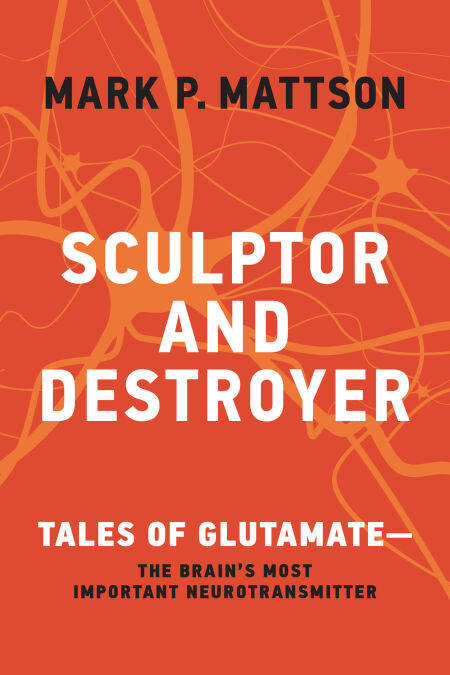
Sculptor and Destroyer E-BOOK
Tales of Glutamatethe Brain's Most Important Neurotransmitter
Mark P. Mattson
E-book | Engels
€ 34,49
+ 34 punten
Uitvoering
Omschrijving
The fascinating story of glutamate, the neurotransmitter that controls the structure and function of the brain in health and neurological disorders.
Sculptor and Destroyer tells the story of a simple, little-known molecule that became a master architect and commander of the human brain: glutamate. Upward of 90 percent of the neurons in the human brain deploy glutamate as their neurotransmitter. Other neurotransmitters can only exert their effects on brain function by subtly modifying the ongoing activity of glutamatergic neurons, but during brain development glutamate controls the growth of dendrites and the formation of synapses. In this eye-opening book, Mark Mattson explains how the neurotransmitter glutamate controls the structure and function of neuronal networks in the brain, thereby mediating the brain’s capabilities, including learning and memory, creativity, and imagination.
Mattson also delves deeply into the dark side of glutamate, which he calls the “destroyer” side. He shows how relatively subtle aberrancies in the activity of neurons that deploy glutamate may result in behavioral disorders ranging from autism and schizophrenia to chronic anxiety and depression. More dramatically, he describes how glutamate can excite neurons to death, a process that occurs in epilepsy and stroke and, perhaps even more insidiously, in Alzheimer’s disease, Parkinson’s disease, ALS, and Huntington’s disease. Sculptor and Destroyer concludes with a perspective on how knowledge of glutamate’s roles in neuroplasticity might be applied to the optimization of brain health throughout our lives.
Written in engaging, approachable prose, Sculptor and Destroyer will be of interest to anyone in the fields of neuroscience, neurology, psychiatry, and psychology, as well as to anyone with a curiosity about the human brain.
Sculptor and Destroyer tells the story of a simple, little-known molecule that became a master architect and commander of the human brain: glutamate. Upward of 90 percent of the neurons in the human brain deploy glutamate as their neurotransmitter. Other neurotransmitters can only exert their effects on brain function by subtly modifying the ongoing activity of glutamatergic neurons, but during brain development glutamate controls the growth of dendrites and the formation of synapses. In this eye-opening book, Mark Mattson explains how the neurotransmitter glutamate controls the structure and function of neuronal networks in the brain, thereby mediating the brain’s capabilities, including learning and memory, creativity, and imagination.
Mattson also delves deeply into the dark side of glutamate, which he calls the “destroyer” side. He shows how relatively subtle aberrancies in the activity of neurons that deploy glutamate may result in behavioral disorders ranging from autism and schizophrenia to chronic anxiety and depression. More dramatically, he describes how glutamate can excite neurons to death, a process that occurs in epilepsy and stroke and, perhaps even more insidiously, in Alzheimer’s disease, Parkinson’s disease, ALS, and Huntington’s disease. Sculptor and Destroyer concludes with a perspective on how knowledge of glutamate’s roles in neuroplasticity might be applied to the optimization of brain health throughout our lives.
Written in engaging, approachable prose, Sculptor and Destroyer will be of interest to anyone in the fields of neuroscience, neurology, psychiatry, and psychology, as well as to anyone with a curiosity about the human brain.
Specificaties
Betrokkenen
- Auteur(s):
- Uitgeverij:
Inhoud
- Aantal bladzijden:
- 312
- Taal:
- Engels
Eigenschappen
- Productcode (EAN):
- 9780262375191
- Verschijningsdatum:
- 21/08/2023
- Uitvoering:
- E-book
- Beveiligd met:
- Adobe DRM
- Formaat:
- ePub


Alleen bij Standaard Boekhandel
+ 34 punten op je klantenkaart van Standaard Boekhandel
CADEAU


Beoordelingen
We publiceren alleen reviews die voldoen aan de voorwaarden voor reviews. Bekijk onze voorwaarden voor reviews.