


- Afhalen na 1 uur in een winkel met voorraad
- Gratis thuislevering in België vanaf € 30
- Ruim aanbod met 7 miljoen producten
- Afhalen na 1 uur in een winkel met voorraad
- Gratis thuislevering in België vanaf € 30
- Ruim aanbod met 7 miljoen producten





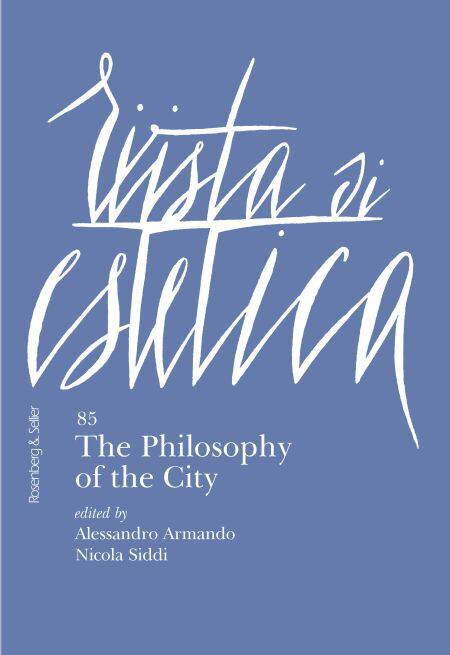
Omschrijving
This issue of the 'philosophy of the city' includes articles by scholars on a range of human sciences, from media theory to aesthetics and architectural theory. Philosophy, social ontology, cultural anthropology, aesthetics, digital hermeneutics, media theory, cognitive science: these are just some of the disciplines that contribute to the philosophy of the city.
This variety of approaches doesn't necessarily result in a chaotic mix. Many of the included forms of discourse belong to the same episteme, which means there are many connections and overlaps. This is true both in the literatures of reference and in the ways of answering the question of what 'the city' is. Secondly, the texts don't focus on the city itself, but on those who live in, design, imagine and think about it. Thirdly, because these texts create a place where different ideas can live together. This is like a city, where ideas change, are built on and then rebuilt. This is what Wittgenstein wrote about in his Philosophical Investigations.
This variety of approaches doesn't necessarily result in a chaotic mix. Many of the included forms of discourse belong to the same episteme, which means there are many connections and overlaps. This is true both in the literatures of reference and in the ways of answering the question of what 'the city' is. Secondly, the texts don't focus on the city itself, but on those who live in, design, imagine and think about it. Thirdly, because these texts create a place where different ideas can live together. This is like a city, where ideas change, are built on and then rebuilt. This is what Wittgenstein wrote about in his Philosophical Investigations.
Specificaties
Betrokkenen
- Auteur(s):
- Uitgeverij:
Inhoud
- Aantal bladzijden:
- 216
- Taal:
- Engels
- Reeks:
Eigenschappen
- Productcode (EAN):
- 9791259933126
- Verschijningsdatum:
- 4/07/2024
- Uitvoering:
- E-book
- Beveiligd met:
- Digital watermarking
- Formaat:


Alleen bij Standaard Boekhandel
+ 20 punten op je klantenkaart van Standaard Boekhandel
CADEAU


Beoordelingen
We publiceren alleen reviews die voldoen aan de voorwaarden voor reviews. Bekijk onze voorwaarden voor reviews.