


- Afhalen na 1 uur in een winkel met voorraad
- Gratis thuislevering in België vanaf € 30
- Ruim aanbod met 7 miljoen producten
- Afhalen na 1 uur in een winkel met voorraad
- Gratis thuislevering in België vanaf € 30
- Ruim aanbod met 7 miljoen producten





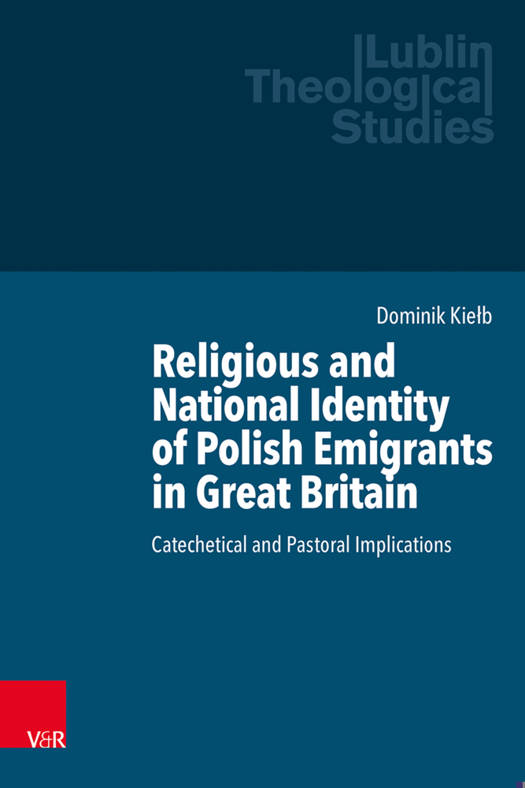
Religious and National Identity of Polish Emigrants in Great Britain
Catechetical and Pastoral Implications
Dominik Kielb
€ 147,95
+ 295 punten
Omschrijving
In his book Dominik Kielb addresses the issue of religious and national identity of the Polish community in Great Britain, analysing it in a broad theological and sociological context. The author first presents the theoretical concepts of identity, distinguishing its multidimensional components - religious, national, cultural, linguistic, axiological and socio-practical. This framework provides a starting point for the analysis of the rich empirical material, including both large-sample quantitative research and qualitative case studies, using a single coherent research methodology to capture the diversity of the emigration experience. The analysis shows that the different dimensions of identity can reinforce each other, creating strong community ties, but at the same time are influenced by cultural change and secularisation, leading to transformations in the way belonging is experienced. The experience of emigration reveals how individuals maintain autonomy and individual characteristics while participating in community networks that fuse their social and religious life.The monograph reveals the mechanisms of identity transformations, highlighting their complexity and multidimensionality. The author formulates theoretical and practical conclusions, relevant for researchers in the sociology of religion and migration, as well as for pastoralists and community leaders, pointing out directions for supporting the development of religious and national identity in the diaspora.
Specificaties
Betrokkenen
- Auteur(s):
- Uitgeverij:
Inhoud
- Taal:
- Engels
- Reeks:
- Reeksnummer:
- nr. 19
Eigenschappen
- Productcode (EAN):
- 9783525502716
- Verschijningsdatum:
- 10/08/2026
- Uitvoering:
- Hardcover



Alleen bij Standaard Boekhandel
+ 295 punten op je klantenkaart van Standaard Boekhandel
Cadeau

AANGERADEN


Beoordelingen
We publiceren alleen reviews die voldoen aan de voorwaarden voor reviews. Bekijk onze voorwaarden voor reviews.