


- Afhalen na 1 uur in een winkel met voorraad
- Gratis thuislevering in België vanaf € 30
- Ruim aanbod met 7 miljoen producten
- Afhalen na 1 uur in een winkel met voorraad
- Gratis thuislevering in België vanaf € 30
- Ruim aanbod met 7 miljoen producten





€ 63,35
+ 126 punten
Omschrijving
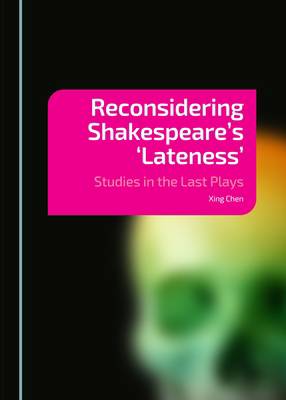
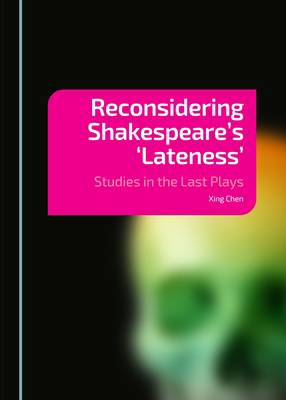
Shakespeare's last plays, because of their apparent similarity in thematic concern, dramatic arrangements and stylistic features, are often considered by modern scholarship to form a unique group in his canon. Their departure from the preceding great tragedies and their status as an artist's last works have long aroused scholarly interest in Shakespeare's lateness - the study, essentially, of the relationship between his advancing years and his final dramatic output, encompassing questions such as Why did Shakespeare write the last plays?, What influenced his writing?, and What is the significance of these plays?. Answers to these questions are varied and often contradictory, partly because the subject is the elusive Shakespeare, and partly because the concept of lateness as an artistic phenomenon is itself unstable and problematic. This book reconsiders Shakespeare's lateness by reading the last plays in the light of, but not bound by, current theories of late style and writing. The analysis incorporates traditional literary, stylistic and biographic approaches in various combinations. The exploration of the works (namely Pericles, Cymbeline, The Winter's Tale, The Tempest, Henry VIII and The Two Noble Kinsmen), while underlined by an interest in their shared concern with the effect, power and the possibilities of art and language, also places an emphasis on each play's distinct features and contexts. A pattern of steady artistic development is revealed, bespeaking Shakespeare's continued professional energy and ongoing self-challenge, which are, in fact, at the centre of his working methods throughout his career. The book, therefore, proposes that Shakespeare's lateness is, in fact, a continuation of his sustained dramatic development.
Specificaties
Betrokkenen
- Auteur(s):
- Uitgeverij:
Inhoud
- Aantal bladzijden:
- 275
- Taal:
- Engels
Eigenschappen
- Productcode (EAN):
- 9781443872362
- Verschijningsdatum:
- 5/02/2015
- Uitvoering:
- Hardcover
- Formaat:
- Genaaid
- Afmetingen:
- 150 mm x 206 mm
- Gewicht:
- 521 g


Alleen bij Standaard Boekhandel
+ 126 punten op je klantenkaart van Standaard Boekhandel
Cadeau

AANGERADEN


Beoordelingen
We publiceren alleen reviews die voldoen aan de voorwaarden voor reviews. Bekijk onze voorwaarden voor reviews.