


- Afhalen na 1 uur in een winkel met voorraad
- Gratis thuislevering in België vanaf € 30
- Ruim aanbod met 7 miljoen producten
- Afhalen na 1 uur in een winkel met voorraad
- Gratis thuislevering in België vanaf € 30
- Ruim aanbod met 7 miljoen producten





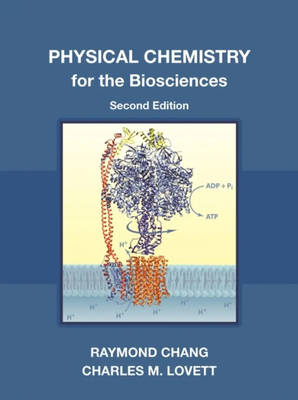
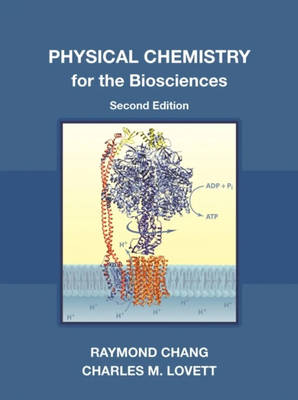
Physical Chemistry for the Biosciences, Second Edition
Raymond Chang, Charles M Lovett
Hardcover | Engels
€ 227,45
+ 454 punten
Omschrijving
Physical Chemistry for the Biosciences has been optimized for a one-semester course in physical chemistry for students of biosciences or a course in biophysical chemistry. Most students enrolled in this course have taken general chemistry, organic chemistry, and a year of physics and calculus.
Fondly known as "Baby Chang," this best-selling text is ack in an updated second edition for the one-semester physical chemistry course. Carefully crafted to match the needs and interests of students majoring in the life sciences, Physical Chemistry for the Biosciences has been revised to provide students with a sophisticated appreciation for physical chemistry as the basis for a variety of interesting biological phenomena. Major changes to the new edition include: -Discussion of intermolecular forces in chapter-Detailed discussion of protein and nucleic acid structure, providing students with the background needed to fully understand the biological applications of thermodynamics and kinetics described later in the book-Expanded and updated descriptions of biological examples, such as protein misfolding diseases, photosynthesis, and vision
Fondly known as "Baby Chang," this best-selling text is ack in an updated second edition for the one-semester physical chemistry course. Carefully crafted to match the needs and interests of students majoring in the life sciences, Physical Chemistry for the Biosciences has been revised to provide students with a sophisticated appreciation for physical chemistry as the basis for a variety of interesting biological phenomena. Major changes to the new edition include: -Discussion of intermolecular forces in chapter-Detailed discussion of protein and nucleic acid structure, providing students with the background needed to fully understand the biological applications of thermodynamics and kinetics described later in the book-Expanded and updated descriptions of biological examples, such as protein misfolding diseases, photosynthesis, and vision
Specificaties
Betrokkenen
- Auteur(s):
- Uitgeverij:
Inhoud
- Aantal bladzijden:
- 700
- Taal:
- Engels
Eigenschappen
- Productcode (EAN):
- 9781940380391
- Verschijningsdatum:
- 25/02/2025
- Uitvoering:
- Hardcover
- Formaat:
- Genaaid
- Afmetingen:
- 203 mm x 267 mm
- Gewicht:
- 1780 g


Alleen bij Standaard Boekhandel
+ 454 punten op je klantenkaart van Standaard Boekhandel
CADEAU


Beoordelingen
We publiceren alleen reviews die voldoen aan de voorwaarden voor reviews. Bekijk onze voorwaarden voor reviews.