


- Afhalen na 1 uur in een winkel met voorraad
- Gratis thuislevering in België vanaf € 30
- Ruim aanbod met 7 miljoen producten
- Afhalen na 1 uur in een winkel met voorraad
- Gratis thuislevering in België vanaf € 30
- Ruim aanbod met 7 miljoen producten





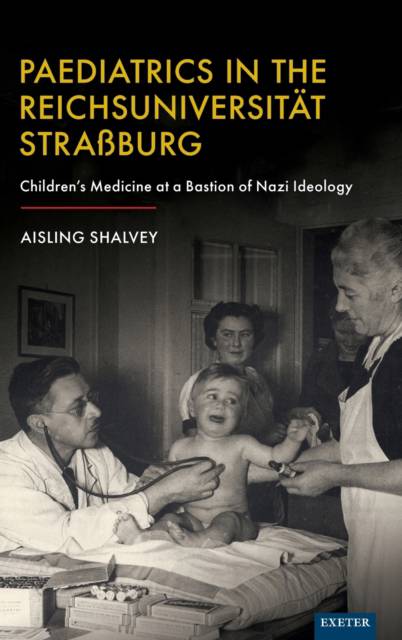
Paediatrics in the Reichsuniversitat Strassburg
Children's Medicine at a Bastion of Nazi Ideology
Aisling Shalvey
Hardcover | Engels
€ 180,45
+ 360 punten
Omschrijving
This sensitive yet incisive book addresses the medical treatment of children in the occupied city of Strasbourg during Nazi occupation. Exploring more than 1,000 previously undocumented patient files, it illuminates starkly the workings of paediatric care at a pivotal moment in history. Issues of nationality, social class, and diagnosis all contributed to the experience of each child, and here extensive data analysis is deployed to back up poignant individual stories. This is the first ever demographic overview of a vulnerable group who were treated in the hospital of the Reichsuniversitat Straaburg. Veering away from the well-established, top-down approach of examining the doctors, instead it makes the patient central to the analysis. A vivid picture emerges of the practical impact that war and occupation had on children who were suffering from illness, revealing how they were affected by Nazi ideology. Establishing a chronology of this important paediatric clinic, the author situates the core historical developments which brought it from establishment with optimistic and idealistic goals, to downfall just three years later when the Allies liberated the city. Based on previously under-utilized primary sources, this volume employs a novel and distinctive analytical framework, using Alltagsgeschichte (the history of everyday life) and patient experience theory to frame medical records and accounts. The book will be relevant to those interested in the history of childhood, politics, occupation and border disputes, psychiatry, medicine, denazification and the postwar era, the history of National Socialism, patient history and the Second World War.
Specificaties
Betrokkenen
- Auteur(s):
- Uitgeverij:
Inhoud
- Aantal bladzijden:
- 250
- Taal:
- Engels
Eigenschappen
- Productcode (EAN):
- 9781804130896
- Verschijningsdatum:
- 13/06/2023
- Uitvoering:
- Hardcover
- Formaat:
- Genaaid
- Afmetingen:
- 156 mm x 234 mm
- Gewicht:
- 566 g


Alleen bij Standaard Boekhandel
+ 360 punten op je klantenkaart van Standaard Boekhandel
Cadeau

AANGERADEN


Beoordelingen
We publiceren alleen reviews die voldoen aan de voorwaarden voor reviews. Bekijk onze voorwaarden voor reviews.