


- Afhalen na 1 uur in een winkel met voorraad
- Gratis thuislevering in België vanaf € 30
- Ruim aanbod met 7 miljoen producten
- Afhalen na 1 uur in een winkel met voorraad
- Gratis thuislevering in België vanaf € 30
- Ruim aanbod met 7 miljoen producten





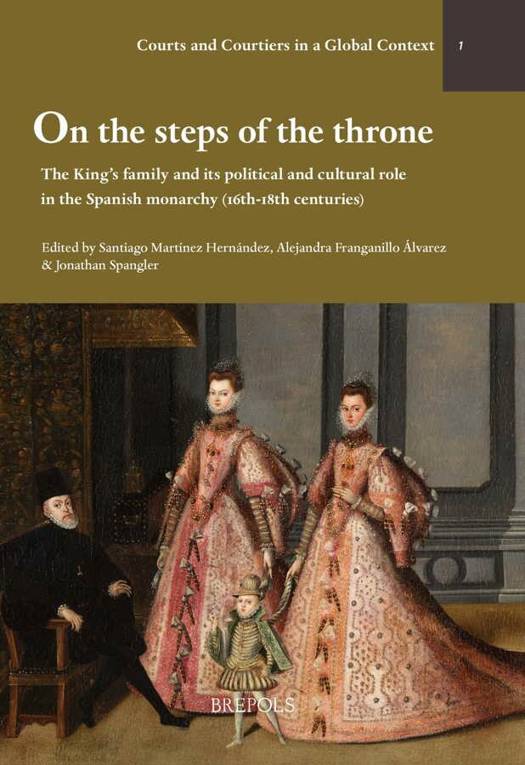
On the Steps of the Throne
The King's Family and Its Political and Cultural Role in the Spanish Monarchy (16th-18th Centuries)
Santiago Martínez Hernández
Hardcover | Engels
€ 101,76
+ 203 punten
Omschrijving
The aim of this book is to forge a new critical perspective on the Spanish Habsburgs' family networks by studying the roles performed by princes and princesses of the blood, of different ranks and status, in the service of the Spanish monarchs. The chapters included draw on a range of case studies in order to rethink the dynastic and political role assigned to the king's relatives. They also analyse the problematic issues generated by the court, ceremonial, diplomatic, dynastic, and governmental duties undertaken by these political actors. In doing so, these studies forge a deeper understanding of the conflicts prompted by the administration of the extensive transnational community of Spanish Habsburg interests and allegiances. The innovative and insightful studies included in this volume are drawn from both unpublished doctoral theses as well as ongoing research projects. In this sense, it seeks to contribute to the evolving historiographical debate on the role played by a range of agents who have not been studied in depth by historians, above all with a focus on the construction of the Spanish Habsburg monarchy in the early modern period. The approach we have adopted has been to prioritize little-known and less-studied agents, contexts, and periods from the Spanish Habsburg sphere, which are nonetheless highly relevant for developing a deeper knowledge of the potential and expectations assigned to the king's extended family, whether legitimate or illegitimate. Furthermore, this book addresses the problematic issues and conflicts that were prompted by these political agents in undertaking various diplomatic, dynastic and governmental roles.
Specificaties
Betrokkenen
- Auteur(s):
- Uitgeverij:
Inhoud
- Aantal bladzijden:
- 264
- Taal:
- Engels
Eigenschappen
- Productcode (EAN):
- 9782503602806
- Verschijningsdatum:
- 14/08/2025
- Uitvoering:
- Hardcover
- Formaat:
- Genaaid
- Afmetingen:
- 185 mm x 258 mm
- Gewicht:
- 907 g



Alleen bij Standaard Boekhandel
+ 203 punten op je klantenkaart van Standaard Boekhandel
CADEAU


Beoordelingen
We publiceren alleen reviews die voldoen aan de voorwaarden voor reviews. Bekijk onze voorwaarden voor reviews.