


- Afhalen na 1 uur in een winkel met voorraad
- Gratis thuislevering in België vanaf € 30
- Ruim aanbod met 7 miljoen producten
- Afhalen na 1 uur in een winkel met voorraad
- Gratis thuislevering in België vanaf € 30
- Ruim aanbod met 7 miljoen producten





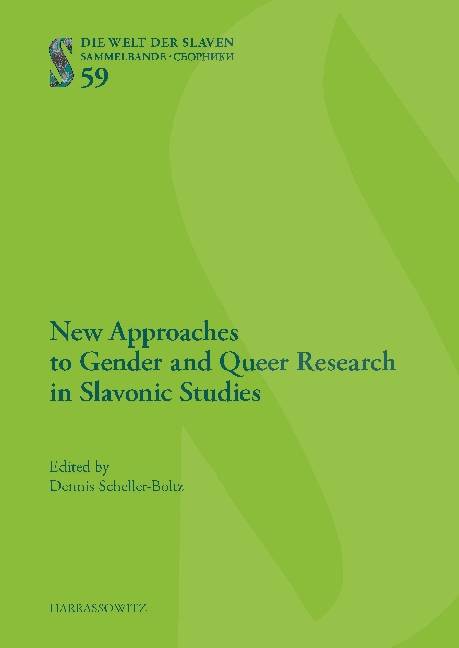
New Approaches to Gender and Queer Research in Slavonic Studies
Proceedings of the International Conference 'Language as a Constitutive Element of a Gendered Society - Developments, Perspectives, and Possibilities in the Slavonic Languages'(innsbruck, 1-4 October 2014)
€ 145,45
+ 290 punten
Omschrijving
These proceedings illustrate the recent developments in Slavonic gender linguistics, show current tendencies and research questions, and underline the potential of Slavonic queer linguistics for furthering our understanding of the influence of gender stereotypes and heteronormativity on language. They provide fresh ideas to Slavonic gender queer linguistics - fertile ground for future research in the field. The unique character of this book results from its interdisciplinary approach which reunites contributions by scholars with diverse backgrounds, ranging from linguistics, cultural studies, and sociology to politics and literature. It makes clear that gender queer linguistic topics cannot be explored exclusively from a linguistic perspective. Rather, a (socio)cultural approach is needed which provides a framework for analyzing not only discriminatory and sexist language structures but the very relation between gender, identity, and language.
Specificaties
Betrokkenen
- Uitgeverij:
Inhoud
- Aantal bladzijden:
- 189
- Taal:
- Engels
- Reeks:
- Reeksnummer:
- nr. 59
Eigenschappen
- Productcode (EAN):
- 9783447105408
- Verschijningsdatum:
- 21/01/2016
- Uitvoering:
- Hardcover
- Formaat:
- Genaaid
- Afmetingen:
- 170 mm x 240 mm
- Gewicht:
- 1079 g

Alleen bij Standaard Boekhandel
+ 290 punten op je klantenkaart van Standaard Boekhandel
CADEAU


Beoordelingen
We publiceren alleen reviews die voldoen aan de voorwaarden voor reviews. Bekijk onze voorwaarden voor reviews.