


- Afhalen na 1 uur in een winkel met voorraad
- Gratis thuislevering in België vanaf € 30
- Ruim aanbod met 7 miljoen producten
- Afhalen na 1 uur in een winkel met voorraad
- Gratis thuislevering in België vanaf € 30
- Ruim aanbod met 7 miljoen producten




Omschrijving
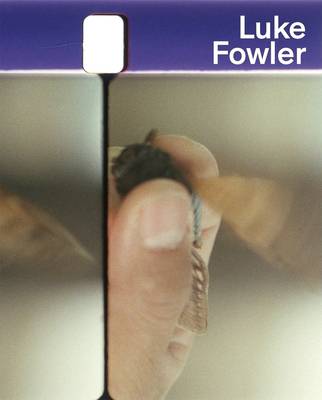
A prominent figure in Glasgow's vibrant art scene, Luke Fowler's cinematic collages break down conventional approaches to biographical and documentary filmmaking. Fowler's films have often been linked to the British Free Cinema of the 1950s, and Fowler likewise avoids didactic voice-over and narrative continuity in favor of impressionistic sound and editing. However, Fowler moves beyond simply referencing the work of his predecessors. Mercurially applying the logic, aesthetics and politics of his subjects--who include the composers/musicians Cornelius Cardew and L. Voag, and the psychologist R.D. Laing--to the film he is making about them, he creates atmospheric, sampled histories that reverberate with the vitality of the people he studies. This is the first major publication on Luke Fowler. It provides a comprehensive overview of his artistic production, with color illustrations, an in-depth discussion between Stuart Comer and the artist, and an essay by Will Bradley.
Specificaties
Betrokkenen
- Auteur(s):
- Uitgeverij:
Inhoud
- Aantal bladzijden:
- 96
- Taal:
- Engels
Eigenschappen
- Productcode (EAN):
- 9783037640463
- Verschijningsdatum:
- 31/10/2009
- Uitvoering:
- Hardcover
- Formaat:
- Genaaid
- Afmetingen:
- 203 mm x 257 mm
- Gewicht:
- 589 g


Alleen bij Standaard Boekhandel
+ 28 punten op je klantenkaart van Standaard Boekhandel
CADEAU


Beoordelingen
We publiceren alleen reviews die voldoen aan de voorwaarden voor reviews. Bekijk onze voorwaarden voor reviews.