


- Afhalen na 1 uur in een winkel met voorraad
- Gratis thuislevering in België vanaf € 30
- Ruim aanbod met 7 miljoen producten
- Afhalen na 1 uur in een winkel met voorraad
- Gratis thuislevering in België vanaf € 30
- Ruim aanbod met 7 miljoen producten





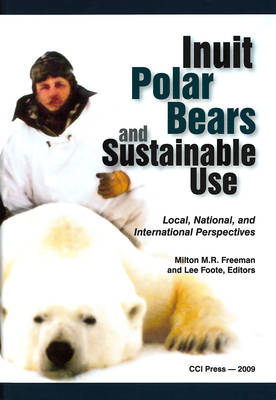
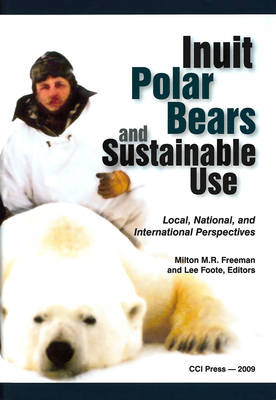
Inuit, Polar Bears, and Sustainable Use
Local, National and International Perspectives
€ 54,45
+ 108 punten
Omschrijving
The aim of this book is to contribute to culturally inclusive, equitable and effective wildlife conservation and management in the northern regions--and by extension, in other regions where indigenous systems of co-existing with wildlife also struggle to work with positivistic science-based assessments of conservation needs. Given the diverse worldviews, perspectives, and agendas of all those seeking to influence conservation of the iconic polar bear, it is impossible in a single book to provide a comprehensive treatment of the management problems Inuit residents of the Canadian Arctic and their government co-management partners face at the present time. Consequently, what is presented in this volume are the generally under-reported perspectives of Arctic residents that reflect an experiential understanding of events taking place in the region, and of some others whose views also augment assessments being used to develop polar bear conservation initiatives. Preface by Mary May Simpson. Foreword by Jon Hutton.
Specificaties
Betrokkenen
- Uitgeverij:
Inhoud
- Aantal bladzijden:
- 272
- Taal:
- Engels
- Reeks:
Eigenschappen
- Productcode (EAN):
- 9781896445458
- Verschijningsdatum:
- 1/01/2009
- Uitvoering:
- Hardcover
- Formaat:
- Genaaid
- Afmetingen:
- 178 mm x 257 mm
- Gewicht:
- 748 g

Alleen bij Standaard Boekhandel
+ 108 punten op je klantenkaart van Standaard Boekhandel
Cadeau

AANGERADEN


Beoordelingen
We publiceren alleen reviews die voldoen aan de voorwaarden voor reviews. Bekijk onze voorwaarden voor reviews.