


- Afhalen na 1 uur in een winkel met voorraad
- Gratis thuislevering in België vanaf € 30
- Ruim aanbod met 7 miljoen producten
- Afhalen na 1 uur in een winkel met voorraad
- Gratis thuislevering in België vanaf € 30
- Ruim aanbod met 7 miljoen producten





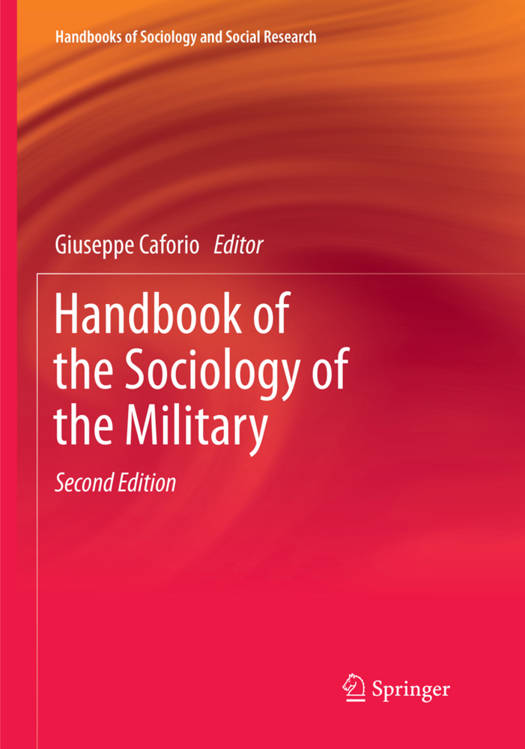
Handbook of the Sociology of the Military
€ 238,45
+ 476 punten
Omschrijving
This new edition of the volume is presented on the wave of the success which had its first edition (2003). It is entirely updated to the current situation of the disciplines covered, and expanded with particular regard to the new missions, that have become the main challenge for the armed forces in these first decades of the new millennium, with new insights to technological development toward so-called cyborg warriors, new forms of leadership and changes in soldier's identity and organisational culture. It is compiled of documents coming from various researchers at universities around the world as well as military officers devoted to the sector of study. Covered in this volume is a historical excursus of studies prior to contemporary research, interpretive models and theoretical approaches developed specifically for this topic, civic-military relations including issues surrounding democratic control of the armed forces, military culture, professional training, conditions and problems of minorities in the armed forces, an examination of the structural change within the military over the years including new duties and functions following the Cold War.
Specificaties
Betrokkenen
- Uitgeverij:
Inhoud
- Aantal bladzijden:
- 650
- Taal:
- Engels
- Reeks:
Eigenschappen
- Productcode (EAN):
- 9783030100827
- Verschijningsdatum:
- 25/01/2019
- Uitvoering:
- Paperback
- Formaat:
- Trade paperback (VS)
- Afmetingen:
- 178 mm x 254 mm
- Gewicht:
- 1133 g

Alleen bij Standaard Boekhandel
+ 476 punten op je klantenkaart van Standaard Boekhandel
Cadeau

AANGERADEN


Beoordelingen
We publiceren alleen reviews die voldoen aan de voorwaarden voor reviews. Bekijk onze voorwaarden voor reviews.