


- Afhalen na 1 uur in een winkel met voorraad
- Gratis thuislevering in België vanaf € 30
- Ruim aanbod met 7 miljoen producten
- Afhalen na 1 uur in een winkel met voorraad
- Gratis thuislevering in België vanaf € 30
- Ruim aanbod met 7 miljoen producten





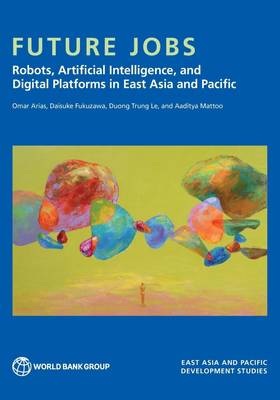
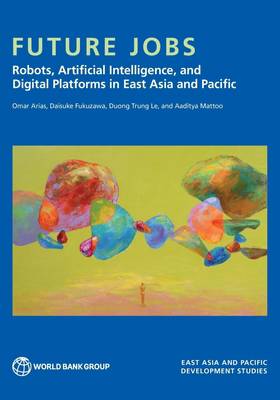
Future Jobs
Robots, Artificial Intelligence, and Digital Platforms in East Asia and Pacific
Omar Arias, Daisuke Fukuzawa, Duong Trung Le
Paperback | Engels
€ 65,45
+ 130 punten
Omschrijving
People in East Asia and Pacific (EAP) countries have prospered over the last few decades because of the growth in productive jobs. Do industrial robots, artificial intelligence (AI), and digital platforms threaten that development model? Future Jobs presents evidence that new technologies have thus far boosted employment. Increases in productivity and scale have outweighed the labor-displacing effects of automation technologies. However, the benefits have been uneven, favoring skilled workers while some less-skilled workers, in more routine and manual jobs, have been pushed into the informal sector. Digital platforms have generated new opportunities for the hitherto marginalized but also created insecurity for incumbent workers. Looking ahead, digitization will enhance the tradability of services, and AI will transform the production processes. EAP countries can benefit by equipping their workforce with the necessary skills and opening their long-protected services sectors to trade and investment. Policy makers, researchers, and businesses will find in this book both insights and questions on how best to harness the potential of new technologies to sustain prosperity in EAP countries.
Specificaties
Betrokkenen
- Auteur(s):
- Uitgeverij:
Inhoud
- Aantal bladzijden:
- 212
- Taal:
- Engels
Eigenschappen
- Productcode (EAN):
- 9781464821998
- Verschijningsdatum:
- 13/06/2025
- Uitvoering:
- Paperback
- Formaat:
- Trade paperback (VS)
- Afmetingen:
- 175 mm x 251 mm
- Gewicht:
- 453 g


Alleen bij Standaard Boekhandel
+ 130 punten op je klantenkaart van Standaard Boekhandel
Cadeau

AANGERADEN


Beoordelingen
We publiceren alleen reviews die voldoen aan de voorwaarden voor reviews. Bekijk onze voorwaarden voor reviews.