


- Afhalen na 1 uur in een winkel met voorraad
- Gratis thuislevering in België vanaf € 30
- Ruim aanbod met 7 miljoen producten
- Afhalen na 1 uur in een winkel met voorraad
- Gratis thuislevering in België vanaf € 30
- Ruim aanbod met 7 miljoen producten





€ 7,79
+ 7 punten
Uitvoering
Omschrijving
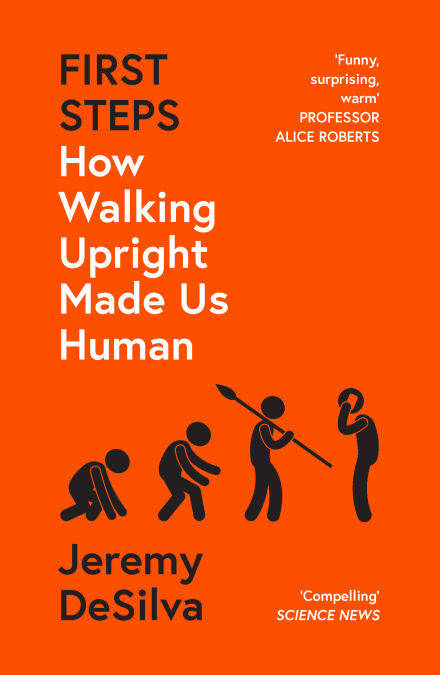
Humans are the only mammals to walk on two, rather than four, legs. From an evolutionary perspective, this is an illogical development, as it slows us down. But here we are, suggesting there must have been something tremendous to gain from bipedalism.
First Steps takes our ordinary, everyday walking experience and reveals how unusual and extraordinary it truly is. The seven-million-year-long journey through the origins of upright walking shows how it was in fact a gateway to many of the other attributes that make us human—from our technological skills and sociality to our thirst for exploration.
DeSilva uses early human evolution to explain the instinct that propels a crawling infant to toddle onto two feet, differences between how men and women tend to walk, physical costs of upright walking, including hernias, varicose veins and backache, and the challenges of childbirth imposed by a bipedal pelvis. And he theorises that upright walking may have laid the foundation for the traits of compassion, empathy and altruism that characterise our species today and helped us become the dominant species on this planet.
First Steps takes our ordinary, everyday walking experience and reveals how unusual and extraordinary it truly is. The seven-million-year-long journey through the origins of upright walking shows how it was in fact a gateway to many of the other attributes that make us human—from our technological skills and sociality to our thirst for exploration.
DeSilva uses early human evolution to explain the instinct that propels a crawling infant to toddle onto two feet, differences between how men and women tend to walk, physical costs of upright walking, including hernias, varicose veins and backache, and the challenges of childbirth imposed by a bipedal pelvis. And he theorises that upright walking may have laid the foundation for the traits of compassion, empathy and altruism that characterise our species today and helped us become the dominant species on this planet.
Specificaties
Betrokkenen
- Auteur(s):
- Uitgeverij:
Inhoud
- Aantal bladzijden:
- 352
- Taal:
- Engels
Eigenschappen
- Productcode (EAN):
- 9780008342852
- Verschijningsdatum:
- 5/04/2021
- Uitvoering:
- E-book
- Beveiligd met:
- Adobe DRM
- Formaat:
- ePub


Alleen bij Standaard Boekhandel
+ 7 punten op je klantenkaart van Standaard Boekhandel
Cadeau

AANGERADEN


Beoordelingen
We publiceren alleen reviews die voldoen aan de voorwaarden voor reviews. Bekijk onze voorwaarden voor reviews.