


- Afhalen na 1 uur in een winkel met voorraad
- Gratis thuislevering in België vanaf € 30
- Ruim aanbod met 7 miljoen producten
- Afhalen na 1 uur in een winkel met voorraad
- Gratis thuislevering in België vanaf € 30
- Ruim aanbod met 7 miljoen producten





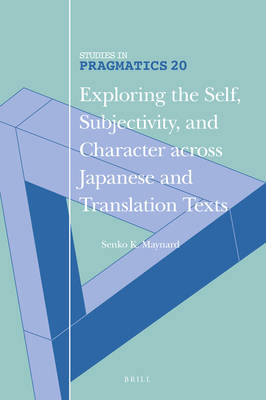
Exploring the Self, Subjectivity, and Character Across Japanese and Translation Texts
Senko K Maynard
€ 230,45
+ 460 punten
Omschrijving
From the perspective of philosophical contrastive pragmatics, this study investigates our multiple selves as manifested in how we use language. Based on analyses of original and translation texts of Japanese and English literary works, the Japanese self is proposed as being fundamentally empty and yet richly populated with multiple subjective aspects, characters, and characteristics. Incorporating the concept of emptiness drawn from Japanese philosophical traditions and postmodernism primarily developed in the West, selves evidenced in grammar, style, and variation are investigated applying interpretive resources of linguistic subjectivity, character, and character-speak. Expressive gaps found in source and target texts across two languages lead us toward different ontological views, and guide us to engage in the rethinking of the concept of self.
Specificaties
Betrokkenen
- Auteur(s):
- Uitgeverij:
Inhoud
- Aantal bladzijden:
- 306
- Taal:
- Engels
- Reeks:
- Reeksnummer:
- nr. 20
Eigenschappen
- Productcode (EAN):
- 9789004505858
- Verschijningsdatum:
- 6/01/2022
- Uitvoering:
- Hardcover
- Formaat:
- Genaaid
- Afmetingen:
- 155 mm x 235 mm
- Gewicht:
- 635 g


Alleen bij Standaard Boekhandel
+ 460 punten op je klantenkaart van Standaard Boekhandel
CADEAU


Beoordelingen
We publiceren alleen reviews die voldoen aan de voorwaarden voor reviews. Bekijk onze voorwaarden voor reviews.