


- Afhalen na 1 uur in een winkel met voorraad
- Gratis thuislevering in België vanaf € 30
- Ruim aanbod met 7 miljoen producten
- Afhalen na 1 uur in een winkel met voorraad
- Gratis thuislevering in België vanaf € 30
- Ruim aanbod met 7 miljoen producten





€ 48,45
+ 96 punten
Uitvoering
Omschrijving
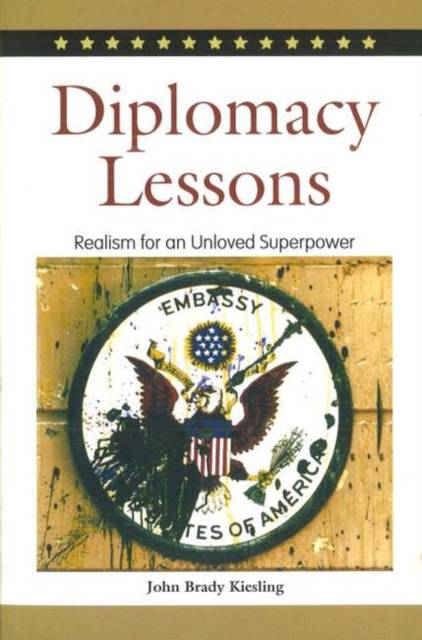
John Brady Kiesling, a twenty-year veteran of the foreign service, publicly resigned his position as political counselor of the U.S. Embassy in Athens in February 2003 to protest the Bush administration's impending invasion of Iraq. He believed that the security, economic, and moral costs of this war, including the blackening of America's image abroad, would far outweigh any benefit to the American people. In Diplomacy Lessons, Kiesling reminds readers that U.S. power does not rest on military might alone and that anger at America has real consequences for U.S. national interests.The security and prosperity of the American people depend on efficient cooperation with foreigners on a range of issues, not only terrorism and nuclear nonproliferation but also trade policy, environmental protection, and even public health. The policy decisions of America's foreign partners are driven by domestic politics, just as they are in the United States, and effective U.S. diplomacy requires understanding these political realities. An unloved superpower faces significant costs, both economic and strategic, in the pursuit of its interests. Kiesling calls for a return to realist policy making that recognizes the limits of U.S. power and uses thoughtful diplomacy to legitimize our security requirements in the eyes of our international partners.This book is, at heart, an argument for how to best achieve America's goals abroad. Kiesling's passionate critique of current U.S. foreign policy and his prescriptions for restoring American influence and legitimacy will interest anyone concerned about the future of U.S. and world affairs.
Specificaties
Betrokkenen
- Auteur(s):
- Uitgeverij:
Inhoud
- Aantal bladzijden:
- 320
- Taal:
- Engels
Eigenschappen
- Productcode (EAN):
- 9781597970174
- Verschijningsdatum:
- 1/08/2006
- Uitvoering:
- Hardcover
- Formaat:
- Ongenaaid / garenloos gebonden
- Afmetingen:
- 166 mm x 235 mm
- Gewicht:
- 630 g



Alleen bij Standaard Boekhandel
+ 96 punten op je klantenkaart van Standaard Boekhandel
CADEAU


Beoordelingen
We publiceren alleen reviews die voldoen aan de voorwaarden voor reviews. Bekijk onze voorwaarden voor reviews.