


- Afhalen na 1 uur in een winkel met voorraad
- Gratis thuislevering in België vanaf € 30
- Ruim aanbod met 7 miljoen producten
- Afhalen na 1 uur in een winkel met voorraad
- Gratis thuislevering in België vanaf € 30
- Ruim aanbod met 7 miljoen producten





€ 29,95
+ 59 punten
Omschrijving
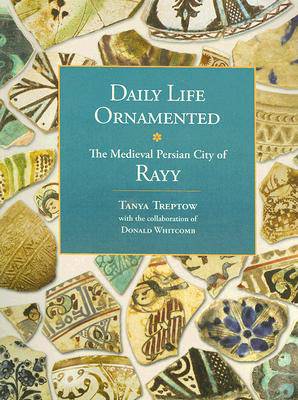
Archaeologists work with broken fragments to build pictures of life in past societies. In many excavations, the most abundant fragments we work with are broken pieces of ceramic vessels and objects (we call them "sherds"), which we find by the thousands in a typical dig. These sherds can tell us quite remarkable things about the past: when a site was occupied in history, what trade contacts it had, and what kinds of everyday activities people were doing there. We can also learn about technologies and how artisans learned and adopted technologies across large areas. The finest ceramics, of course, are true works of art that convey an aesthetic sense that we can appreciate hundreds or thousands of years later. Daily Life Ornamented: The Medieval Persian City of Rayy shows how archaeologists work with sherds at the same time that it portrays aspects of life along the Silk Road during the ninth - fourteenth centuries. It must be said that although the catalogue is based largely on sherds, they are not only interesting as documents of medieval Islamic civilization, but they are also among the most beautiful sherds in the collections of the Oriental Institute. This catalogue, published in conjunction with an exhibition of the same name, also represents an opportunity to re-examine the pioneering work of Erich Schmidt, who excavated the ancient site of Rayy during the mid-1930s.
Specificaties
Betrokkenen
- Auteur(s):
- Uitgeverij:
Inhoud
- Aantal bladzijden:
- 64
- Taal:
- Engels
- Reeks:
- Reeksnummer:
- nr. 26
Eigenschappen
- Productcode (EAN):
- 9781885923516
- Verschijningsdatum:
- 15/07/2007
- Uitvoering:
- Paperback
- Formaat:
- Trade paperback (VS)
- Afmetingen:
- 226 mm x 173 mm
- Gewicht:
- 281 g


Alleen bij Standaard Boekhandel
+ 59 punten op je klantenkaart van Standaard Boekhandel
Cadeau

AANGERADEN


Beoordelingen
We publiceren alleen reviews die voldoen aan de voorwaarden voor reviews. Bekijk onze voorwaarden voor reviews.