


- Afhalen na 1 uur in een winkel met voorraad
- Gratis thuislevering in België vanaf € 30
- Ruim aanbod met 7 miljoen producten
- Afhalen na 1 uur in een winkel met voorraad
- Gratis thuislevering in België vanaf € 30
- Ruim aanbod met 7 miljoen producten





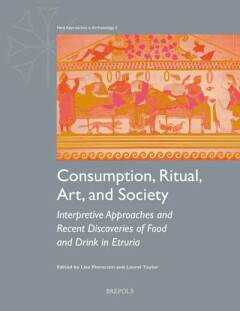
Consumption, Ritual, Art, and Society
Interpretive Approaches and Recent Discoveries of Food and Drink in Etruria
Lisa Pieraccini
€ 63,60
+ 127 punten
Omschrijving
Food determines who we are. We are what we eat, but also how we eat, with whom we eat, where we eat and, in some cases, even why we eat. Food production and consumption in the ancient world can express multiple dimensions of identity and negotiate belonging to, or exclusion from, cultural groups. It can bind through religious praxis, express wealth, manifest cultural identity, reveal differentiation in age or gender, and define status. As a prism through which to investigate the past, its utility is manifold. The chapters gathered together in this ground-breaking book explore the intersections between food, consumption, and ritual within Etruscan society through a purposeful cross-disciplinary approach. It offers a unique and innovative selection of up-to-date analysis from a variety of Etruscan food-related topics. From banqueting, feasting, fish rites, and symbolic consumption to bio-archaeological data, this volume explores a new and exciting field in ancient Italian archaeology.
Specificaties
Betrokkenen
- Auteur(s):
- Uitgeverij:
Inhoud
- Aantal bladzijden:
- 132
- Taal:
- Engels
- Reeks:
- Reeksnummer:
- nr. 2
Eigenschappen
- Productcode (EAN):
- 9782503602158
- Verschijningsdatum:
- 13/07/2023
- Uitvoering:
- Paperback
- Formaat:
- Trade paperback (VS)
- Gewicht:
- 426 g


Alleen bij Standaard Boekhandel
+ 127 punten op je klantenkaart van Standaard Boekhandel
Cadeau

AANGERADEN


Beoordelingen
We publiceren alleen reviews die voldoen aan de voorwaarden voor reviews. Bekijk onze voorwaarden voor reviews.