


- Afhalen na 1 uur in een winkel met voorraad
- Gratis thuislevering in België vanaf € 30
- Ruim aanbod met 7 miljoen producten
- Afhalen na 1 uur in een winkel met voorraad
- Gratis thuislevering in België vanaf € 30
- Ruim aanbod met 7 miljoen producten





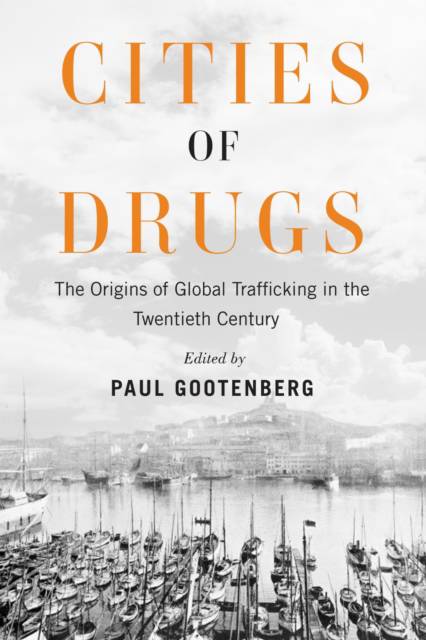
Cities of Drugs
The Origins of Global Trafficking in the Twentieth Century
€ 49,95
+ 99 punten
Omschrijving
Port cities from Marseille to Miami have long occupied a storied place in the popular imagination of global drug trafficking. Their advanced capitalist modernity made them fertile ground for illicit trade, with world-class shipping infrastructures, intricate transport and labour systems, post-colonial migrants and diasporic networks, and class-crossing cultural worlds.
In the first sustained historical study of global ports, urban crossroads, and their relationship to modern drugs, Cities of Drugs traces how twelve cities - Rotterdam, Liverpool, Marseille, Istanbul, New York, Chicago, Vancouver, Ciudad Juárez, Miami, Shanghai, Mumbai, and Cape Town - shaped and were reshaped by the international drug trade. Postwar disruptions created the structural conditions for trafficking, but local histories proved decisive. Ports and commercial hubs with major infrastructure, smuggling traditions, and cosmopolitan modern economies were especially likely to become drug centres where licit and illicit markets converged, though some cities emerged as hubs for other reasons. Drug cities, the contributors argue, are a complex and contingent analytical category, best understood through comparative urban history attentive to traffickers, labour, consuming cultures, and local politics. A compelling look at the hidden worlds of cities, this book tells a fascinating story of how underground cultures collided with overground economies to produce global drug trafficking hubs.Specificaties
Betrokkenen
- Uitgeverij:
Inhoud
- Aantal bladzijden:
- 344
- Taal:
- Engels
- Reeks:
- Reeksnummer:
- nr. 13
Eigenschappen
- Productcode (EAN):
- 9780228029090
- Verschijningsdatum:
- 17/11/2026
- Uitvoering:
- Paperback
- Formaat:
- Trade paperback (VS)
- Afmetingen:
- 152 mm x 229 mm

Alleen bij Standaard Boekhandel
+ 99 punten op je klantenkaart van Standaard Boekhandel
Cadeau

AANGERADEN


Beoordelingen
We publiceren alleen reviews die voldoen aan de voorwaarden voor reviews. Bekijk onze voorwaarden voor reviews.