


- Afhalen na 1 uur in een winkel met voorraad
- Gratis thuislevering in België vanaf € 30
- Ruim aanbod met 7 miljoen producten
- Afhalen na 1 uur in een winkel met voorraad
- Gratis thuislevering in België vanaf € 30
- Ruim aanbod met 7 miljoen producten





€ 124,95
+ 249 punten
Omschrijving
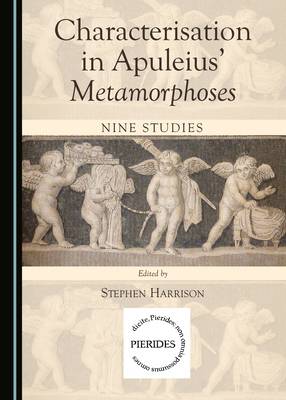
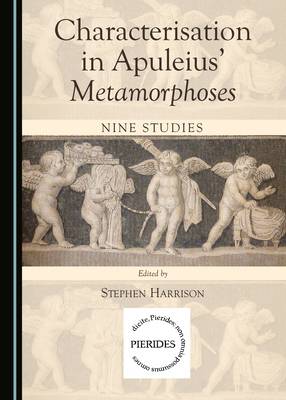
This is the first volume dedicated to the topic of characterisation in Apuleius' Metamorphoses, the Latin novel from the second century CE. The subject has not been ignored in recent scholarship on individual characters in the work, but the lack of an earlier general overview of the topic reflects the general history of scholarship on the Metamorphoses. Literature on Apuleius' novel until the 1960s centred around the issue of his general literary quality, and some key scholars held distinctly low estimates of Apuleius' talents. Since 1970, most critics have seen Apuleius as a conscious and effective literary artist, and this is reflected in the emergence of this volume. The volume's contributors are a distinguished collection of international scholars, many of whom have worked together on the long-established Groningen Commentaries on Apuleius, a project which is currently coming to completion. No ideological line has been imposed, and contributors have been free to offer their thoughts on how the text of the novel presents particular characters, including divine ones. The volume covers the whole of the novel and all the significant characters, and will constitute a substantial contribution to the interpretation of the most important Latin novel to survive complete from the ancient world.
Specificaties
Betrokkenen
- Uitgeverij:
Inhoud
- Aantal bladzijden:
- 198
- Taal:
- Engels
- Reeks:
Eigenschappen
- Productcode (EAN):
- 9781443875332
- Verschijningsdatum:
- 28/05/2015
- Uitvoering:
- Hardcover
- Formaat:
- Genaaid
- Afmetingen:
- 152 mm x 203 mm
- Gewicht:
- 553 g

Alleen bij Standaard Boekhandel
+ 249 punten op je klantenkaart van Standaard Boekhandel
Cadeau

AANGERADEN


Beoordelingen
We publiceren alleen reviews die voldoen aan de voorwaarden voor reviews. Bekijk onze voorwaarden voor reviews.