


- Afhalen na 1 uur in een winkel met voorraad
- Gratis thuislevering in België vanaf € 30
- Ruim aanbod met 7 miljoen producten
- Afhalen na 1 uur in een winkel met voorraad
- Gratis thuislevering in België vanaf € 30
- Ruim aanbod met 7 miljoen producten





€ 29,07
+ 29 punten
Uitvoering
Omschrijving
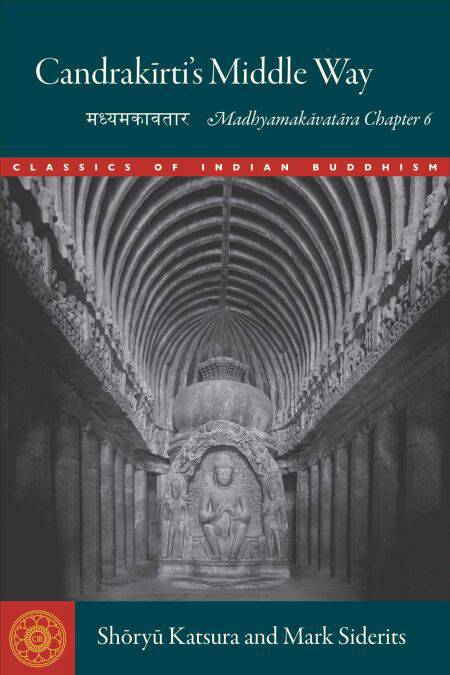
A classic Indian work on the Mahayana Buddhist philosophy of emptiness by one of its greatest exponents is unlocked for contemporary readers in this new translation with lucid verse-by-verse explanations.
The Middle Way, or Madhyamaka, school of Indian Buddhist philosophy is known for its explication of emptiness (shunyata), and after Nagarjuna—the second-century founder of the school—its most well-known defender is Candrakirti (seventh century). Until recently, the Madhyamakavatara, one of Candrakirti’s major works, was known primarily through its Tibetan translation, but with the publication of the Sanskrit verses from a manuscript discovered at the Potala Palace in Lhasa, we can now access Candrakirti’s words in their original language.
Chapter 6 of the Madhyamakavatara, “Turned Toward” (abhimukhi), is roughly two thirds of the entire work, and it explicates the perfection of wisdom. As such, it contains Candrakirti’s most detailed discussions of distinctively Madhyamaka teachings, defending Madhyamaka against accusations of nihilism and maintaining it has no thesis of its own. Answering objections from other Indian schools, both within and outside the Buddhist fold, he denies the ultimate reality of any and all existents, whether external or internal, and even of emptiness itself. While denying ultimates, he leaves conventionalities, arising dependently free of any absolute, to the world to confirm or deny.
The three main sections of chapter 6 are on the selflessness of phenomena, the selflessness of persons, and the varieties of emptiness. The first section is organized around the fourfold refutation of origination—from self, other, both, and neither—that begins Nagarjuna’s root treatise of the Madhyamaka school. Candrakirti takes up, in turn, Abhidharma realism, assertions of God or of Atman, and Charvaka materialism, but his main opponent is the Yogacara school, which he calls Vijnanavada. In his second section, he addresses Buddhist personalists (pudgalavada) of the Sammatiya school, deploying his distinctive sevenfold analysis of a chariot and its parts.
All 226 verses of Candrakirti’s chapter appear here in Sanskrit and in translation, accompanied by the authors’ clear distillation of Candrakirti’s own commentary.
Contents
Translators’ Introduction
Turned Toward Emptiness: The Sixth Chapter of Candrakirti’s Madhyamakavatara
1. Introduction (verses 1–7) 17
2. The Emptiness of Dharmas
2.1 Refuting Origination of Dharmas from Themselves (8–13)
2.2 Refuting Origination of Dharmas from Distinct Causes
Refuting the Abhidharma Theory of Causation (14–20)
Refuting the Common-Sense Understanding of Causation (21–42)
Refuting the Vijnanavada Theory of Causation (43–97)
2.3 Refuting Origination of Dharmas from Both or from Neither (98–103)
2.4 Some Consequences of the Emptiness of Dharmas (104–19)
3. The Emptiness of Persons
3.1 Refuting Theories of the Self (120–25)
3.2 Refuting the Pudgalavada View of Persons (126–78)
4. Varieties of Emptiness (179–226)
Notes
Bibliography
Index
About the Author
The Middle Way, or Madhyamaka, school of Indian Buddhist philosophy is known for its explication of emptiness (shunyata), and after Nagarjuna—the second-century founder of the school—its most well-known defender is Candrakirti (seventh century). Until recently, the Madhyamakavatara, one of Candrakirti’s major works, was known primarily through its Tibetan translation, but with the publication of the Sanskrit verses from a manuscript discovered at the Potala Palace in Lhasa, we can now access Candrakirti’s words in their original language.
Chapter 6 of the Madhyamakavatara, “Turned Toward” (abhimukhi), is roughly two thirds of the entire work, and it explicates the perfection of wisdom. As such, it contains Candrakirti’s most detailed discussions of distinctively Madhyamaka teachings, defending Madhyamaka against accusations of nihilism and maintaining it has no thesis of its own. Answering objections from other Indian schools, both within and outside the Buddhist fold, he denies the ultimate reality of any and all existents, whether external or internal, and even of emptiness itself. While denying ultimates, he leaves conventionalities, arising dependently free of any absolute, to the world to confirm or deny.
The three main sections of chapter 6 are on the selflessness of phenomena, the selflessness of persons, and the varieties of emptiness. The first section is organized around the fourfold refutation of origination—from self, other, both, and neither—that begins Nagarjuna’s root treatise of the Madhyamaka school. Candrakirti takes up, in turn, Abhidharma realism, assertions of God or of Atman, and Charvaka materialism, but his main opponent is the Yogacara school, which he calls Vijnanavada. In his second section, he addresses Buddhist personalists (pudgalavada) of the Sammatiya school, deploying his distinctive sevenfold analysis of a chariot and its parts.
All 226 verses of Candrakirti’s chapter appear here in Sanskrit and in translation, accompanied by the authors’ clear distillation of Candrakirti’s own commentary.
Contents
Translators’ Introduction
Turned Toward Emptiness: The Sixth Chapter of Candrakirti’s Madhyamakavatara
1. Introduction (verses 1–7) 17
2. The Emptiness of Dharmas
2.1 Refuting Origination of Dharmas from Themselves (8–13)
2.2 Refuting Origination of Dharmas from Distinct Causes
Refuting the Abhidharma Theory of Causation (14–20)
Refuting the Common-Sense Understanding of Causation (21–42)
Refuting the Vijnanavada Theory of Causation (43–97)
2.3 Refuting Origination of Dharmas from Both or from Neither (98–103)
2.4 Some Consequences of the Emptiness of Dharmas (104–19)
3. The Emptiness of Persons
3.1 Refuting Theories of the Self (120–25)
3.2 Refuting the Pudgalavada View of Persons (126–78)
4. Varieties of Emptiness (179–226)
Notes
Bibliography
Index
About the Author
Specificaties
Betrokkenen
- Auteur(s):
- Vertaler(s):
- Uitgeverij:
Inhoud
- Aantal bladzijden:
- 320
- Taal:
- Engels
- Reeks:
Eigenschappen
- Productcode (EAN):
- 9798890700346
- Verschijningsdatum:
- 29/06/2026
- Uitvoering:
- E-book
- Beveiligd met:
- Adobe DRM
- Formaat:
- ePub


Alleen bij Standaard Boekhandel
+ 29 punten op je klantenkaart van Standaard Boekhandel
Cadeau

AANGERADEN


Beoordelingen
We publiceren alleen reviews die voldoen aan de voorwaarden voor reviews. Bekijk onze voorwaarden voor reviews.