


- Afhalen na 1 uur in een winkel met voorraad
- Gratis thuislevering in België vanaf € 30
- Ruim aanbod met 7 miljoen producten
- Afhalen na 1 uur in een winkel met voorraad
- Gratis thuislevering in België vanaf € 30
- Ruim aanbod met 7 miljoen producten





€ 24,95
+ 49 punten
Omschrijving
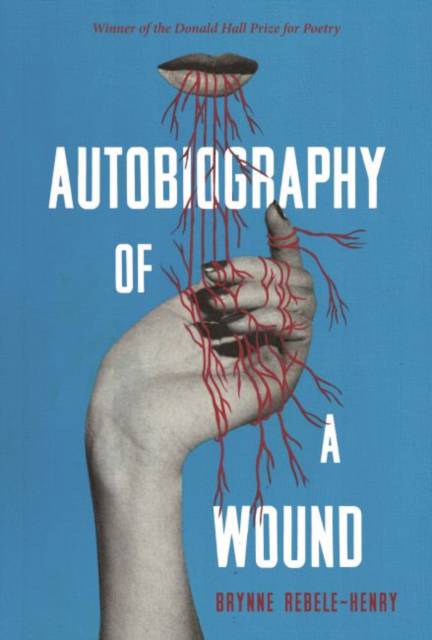
In ancient fertility carvings, artists would drill holes into the woman's body to signify penetrability, which is the basis of Autobiography of a Wound: allowing those wounds and puncture marks to speak through the fertility figures. The wounds are chronicled through letters and poems addressed to F (F stands for the fertility carvings themselves, which are being addressed as one unified deity), and A (Aphrodite, who is being referenced as a general deity of womanhood, a figurine that reappears throughout the poems, and a symbol that is referenced or portrayed in almost every fertility figurine or carving). Autobiography of a Wound reconstructs the narrative surrounding female pathos and the idea of the hysteric girl.
Specificaties
Betrokkenen
- Auteur(s):
- Uitgeverij:
Inhoud
- Aantal bladzijden:
- 88
- Taal:
- Engels
- Reeks:
Eigenschappen
- Productcode (EAN):
- 9780822965671
- Verschijningsdatum:
- 4/09/2018
- Uitvoering:
- Paperback
- Formaat:
- Trade paperback (VS)
- Afmetingen:
- 147 mm x 224 mm
- Gewicht:
- 136 g


Alleen bij Standaard Boekhandel
+ 49 punten op je klantenkaart van Standaard Boekhandel

Beoordelingen
We publiceren alleen reviews die voldoen aan de voorwaarden voor reviews. Bekijk onze voorwaarden voor reviews.