


- Afhalen na 1 uur in een winkel met voorraad
- Gratis thuislevering in België vanaf € 30
- Ruim aanbod met 7 miljoen producten
- Afhalen na 1 uur in een winkel met voorraad
- Gratis thuislevering in België vanaf € 30
- Ruim aanbod met 7 miljoen producten





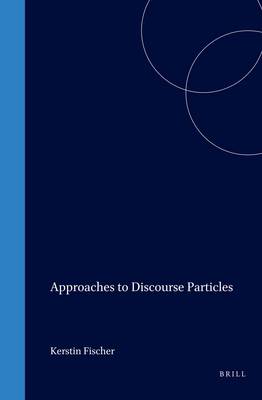
Approaches to Discourse Particles
€ 100,95
+ 201 punten
Omschrijving
Approaches to Discourse Particles serves as a unique reference by presenting the spectrum of approaches to discourse particles/markers in their richness and variability, whilst ensuring that the differences and similarities between the approaches are clear and comparable. With the hundreds of studies now published on discourse particles/markers, it is becoming increasingly difficult to make such comparisons. Fischer addresses this problem by asking renowned researchers from different linguistic backgrounds to describe their particular ways of accounting for some of the most important problem areas by addressing issues such as: definition; the functional spectrum of the items considered; the model of polyfunctionality proposed; and the broader framework of the model.Discourse particles fulfil many different functions; they contribute to text structuring, dialogue management, turn-taking, politeness, and more. Their investigation is, thus, relevant from many different perspectives within pragmatics and linguistics as a whole. Approaches to Discourse Particles constitutes an important orientation for newcomers to the field, as well as providing the necessary guidance and reference for the many scholars now working in the growing research community.
"Wide-ranging and useful... Places the assumptions underlying divergent approaches in sharp relief." - Lawrence Schourup, Osaka Prefecture University, Japan
"Wide-ranging and useful... Places the assumptions underlying divergent approaches in sharp relief." - Lawrence Schourup, Osaka Prefecture University, Japan
Specificaties
Betrokkenen
- Uitgeverij:
Inhoud
- Aantal bladzijden:
- 508
- Taal:
- Engels
- Reeks:
- Reeksnummer:
- nr. 1
Eigenschappen
- Productcode (EAN):
- 9780080447377
- Verschijningsdatum:
- 1/04/2006
- Uitvoering:
- Hardcover
- Formaat:
- Genaaid
- Afmetingen:
- 154 mm x 236 mm
- Gewicht:
- 911 g

Alleen bij Standaard Boekhandel
+ 201 punten op je klantenkaart van Standaard Boekhandel
CADEAU


Beoordelingen
We publiceren alleen reviews die voldoen aan de voorwaarden voor reviews. Bekijk onze voorwaarden voor reviews.