


- Afhalen na 1 uur in een winkel met voorraad
- Gratis thuislevering in België vanaf € 30
- Ruim aanbod met 7 miljoen producten
- Afhalen na 1 uur in een winkel met voorraad
- Gratis thuislevering in België vanaf € 30
- Ruim aanbod met 7 miljoen producten





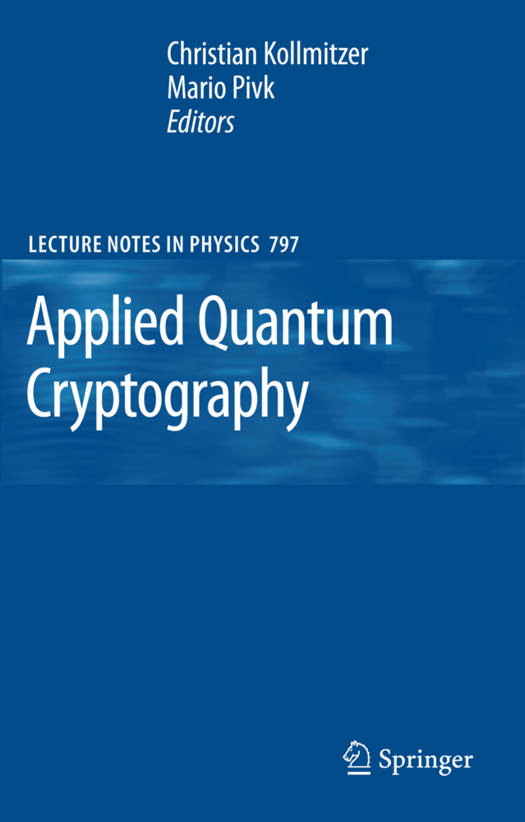
Applied Quantum Cryptography
€ 81,45
+ 162 punten
Omschrijving
Using the quantum properties of single photons to exchange binary keys between two partners for subsequent encryption of secret data is an absolutely novel te- nology. Only a few years ago quantum cryptography - or better Quantum Key Distribution - was the domain of basic research laboratories at universities. But during the last few years things changed. Quantum Key Distribution or QKD left the laboratories and was picked up by more practical-oriented teams that worked hard to develop a practically applicable technology out of the astonishing results of basic research. One major milestone toward a QKD technology was a large research and dev- opment project funded by the European Commission that aimed at combining qu- tum physics with complementary technologies that are necessary to create a tech- cal solution: electronics, software, and network components were added within the project SECOQC (Development of a Global Network for Secure Communication based on Quantum Cryptography) that teamed up all expertise on European level to get a technology for future cryptography.
Specificaties
Betrokkenen
- Uitgeverij:
Inhoud
- Aantal bladzijden:
- 230
- Taal:
- Engels
- Reeks:
- Reeksnummer:
- nr. 797
Eigenschappen
- Productcode (EAN):
- 9783642262678
- Verschijningsdatum:
- 4/05/2012
- Uitvoering:
- Paperback
- Formaat:
- Trade paperback (VS)
- Afmetingen:
- 155 mm x 229 mm
- Gewicht:
- 340 g

Alleen bij Standaard Boekhandel
+ 162 punten op je klantenkaart van Standaard Boekhandel
Cadeau

AANGERADEN


Beoordelingen
We publiceren alleen reviews die voldoen aan de voorwaarden voor reviews. Bekijk onze voorwaarden voor reviews.