


- Afhalen na 1 uur in een winkel met voorraad
- Gratis thuislevering in België vanaf € 30
- Ruim aanbod met 7 miljoen producten
- Afhalen na 1 uur in een winkel met voorraad
- Gratis thuislevering in België vanaf € 30
- Ruim aanbod met 7 miljoen producten





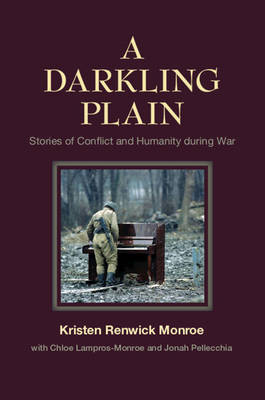
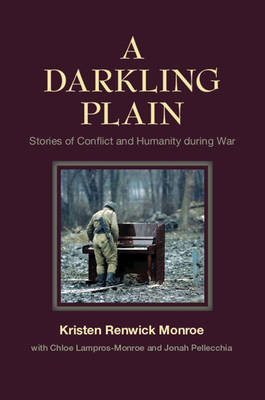
A Darkling Plain
Stories of Conflict and Humanity During War
Kristen Renwick Monroe
Paperback | Engels
€ 56,45
+ 112 punten
Uitvoering
Omschrijving
How do people maintain their humanity during wars? Despite its importance, this question receives scant scholarly attention, perhaps because war is overwhelming. The generally accepted belief is that wars bring out the worst in us, pitting one against another. "War is hell," William Tecumseh Sherman famously noted, and even "just" wars are massively destructive and inhumane. Since ethics is concerned with discovering what takes us to a morally superior place, one conducive to betterment and happiness- studying what helps people survive wartime trauma thus becomes an extremely valuable enterprise. A Darkling Plain fills an important scholarly void, analyzing wartime stories that reveal much about our capacity to process trauma, heal wounds, reclaim lost spirits, and derive meaning and purpose from the most horrific of personal events.
Specificaties
Betrokkenen
- Auteur(s):
- Uitgeverij:
Inhoud
- Aantal bladzijden:
- 321
- Taal:
- Engels
Eigenschappen
- Productcode (EAN):
- 9781107690172
- Verschijningsdatum:
- 27/10/2014
- Uitvoering:
- Paperback
- Formaat:
- Trade paperback (VS)
- Afmetingen:
- 155 mm x 229 mm
- Gewicht:
- 453 g


Alleen bij Standaard Boekhandel
+ 112 punten op je klantenkaart van Standaard Boekhandel
Cadeau

AANGERADEN


Beoordelingen
We publiceren alleen reviews die voldoen aan de voorwaarden voor reviews. Bekijk onze voorwaarden voor reviews.