



Bedankt voor het vertrouwen het afgelopen jaar! Om jou te bedanken bieden we GRATIS verzending (in België) aan op alles gedurende de hele maand januari.
- Afhalen na 1 uur in een winkel met voorraad
- In januari gratis thuislevering in België
- Ruim aanbod met 7 miljoen producten
Bedankt voor het vertrouwen het afgelopen jaar! Om jou te bedanken bieden we GRATIS verzending (in België) aan op alles gedurende de hele maand januari.
- Afhalen na 1 uur in een winkel met voorraad
- In januari gratis thuislevering in België
- Ruim aanbod met 7 miljoen producten





€ 8,49
+ 8 punten
Omschrijving
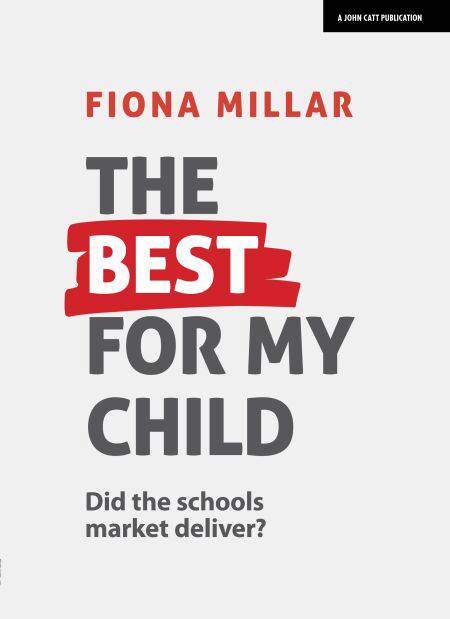
Parent choice, diversity of school provision and the idea of a quasi-market in schools have dominated education policy for the last thirty years since the passage of the 1988 Great Education Reform Act. But has the market worked in the way that was intended? Are schools better? Do we have a fairer school system? Do parents really have choice? Author and journalist Fiona Millar looks at why these policies have proved so seductive to a generation of politicians and seeks to uncover whether we really are doing "the best for all our children". If we are not, what future reform could and should look like." This is an area that has preoccupied me since the early 1990s when my own children's school was one of the first to be named and shamed by Ofsted," explains Millar. "We had first hand experience of how the market worked in practice so this is an area I have followed with close interest every since. Thirty years on from the 1988 Act I feel we are ready for a new approach but that is important to understand what worked and what could be better. I hope my book will help to answer those questions."
Specificaties
Betrokkenen
- Auteur(s):
- Uitgeverij:
Inhoud
- Taal:
- Engels
Eigenschappen
- Productcode (EAN):
- 9781398383609
- Verschijningsdatum:
- 20/05/2018
- Uitvoering:
- E-book
- Beveiligd met:
- Adobe DRM
- Formaat:
- ePub


Alleen bij Standaard Boekhandel
+ 8 punten op je klantenkaart van Standaard Boekhandel
SOLDEN


Beoordelingen
We publiceren alleen reviews die voldoen aan de voorwaarden voor reviews. Bekijk onze voorwaarden voor reviews.