



Je cadeautjes zeker op tijd in huis hebben voor de feestdagen? Kom langs in onze winkels en vind het perfecte geschenk!
- Afhalen na 1 uur in een winkel met voorraad
- Gratis thuislevering in België vanaf € 30
- Ruim aanbod met 7 miljoen producten
Je cadeautjes zeker op tijd in huis hebben voor de feestdagen? Kom langs in onze winkels en vind het perfecte geschenk!
- Afhalen na 1 uur in een winkel met voorraad
- Gratis thuislevering in België vanaf € 30
- Ruim aanbod met 7 miljoen producten





€ 161,45
+ 322 punten
Omschrijving
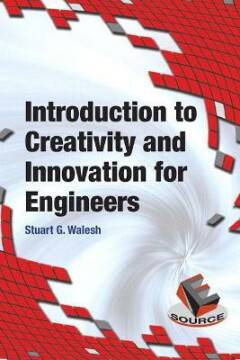
For courses in creativity and innovation for engineers. Emphasizing the Importance of Innovation and Creativity for Engineers This first edition of Introduction to Creativity and Innovation for Engineerswas primarily designed for engineering students interested in acquiring knowledge, skills, and attitudes (KSA) that will help them be more creative and innovative. While intended primarily for engineering students, the widely applicable principles, ideas, tools, and methods introduced will also be useful for practicing engineers and as well as members of other disciplines. The text argues for a "whole-brain" approach to the study of engineering, using neuroscience as a foundation. While the left brain (logical and analytic) is essential to the study of engineering, the author believes that engineering students and practitioners will be more successful if they learn to also engage in more right brain processing (intuitive and emotional). Similarly, they should draw on knowledge of conscious and subconscious thinking and view the brain as a muscle that can be continuously strengthened. Building on that "Neuroscience 101" foundation, the text prepares future and current engineers to work smarter--either as individuals or within teams and organizations--by generating and developing new ideas. The nine chapter structure uses clear objectives, many examples, and numerous exercises to explicate its methods, ultimately enabling students and practitioners to realize that they're already capable of creative - innovative thinking. They only need to apply the 20 methods described in the book to unlock their brain's natural capabilities and then produce creative-innovative results for their benefit and for the benefit of others.
Specificaties
Betrokkenen
- Auteur(s):
- Uitgeverij:
Inhoud
- Aantal bladzijden:
- 368
- Taal:
- Engels
Eigenschappen
- Productcode (EAN):
- 9780133587074
- Verschijningsdatum:
- 3/01/2016
- Uitvoering:
- Paperback
- Formaat:
- Trade paperback (VS)
- Afmetingen:
- 201 mm x 251 mm
- Gewicht:
- 884 g


Alleen bij Standaard Boekhandel
+ 322 punten op je klantenkaart van Standaard Boekhandel
CADEAU


Beoordelingen
We publiceren alleen reviews die voldoen aan de voorwaarden voor reviews. Bekijk onze voorwaarden voor reviews.